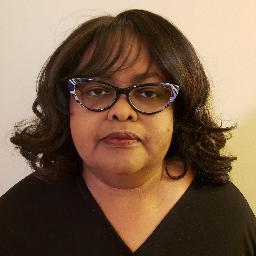
Tracey Boubacar
Practical support for relationship and parenting challenges
- Credentials
- LCSW
- Experience
- 10 years
- Licensed in
- North Carolina
- Languages
- English
- Format
- Online sessions
About Tracey
Tracey Boubacar is a licensed clinical social worker with ten years of experience based in North Carolina. She focuses on helping people who are dealing with depression, anxiety, stress, low self-esteem, anger, addictions, and challenges around relationships and parenting. Tracey also supports clients facing career questions, bipolar mood concerns, and life transitions.
She brings experience with LGBT issues and with compassion fatigue related to caregiving and helping roles. Tracey creates a culturally aware, respectful space for people affected by prejudice and discrimination.
Background and approach
She has worked with veterans and others with military and armed forces backgrounds, and pays close attention to how culture and identity shape emotional experience. In sessions she listens closely and helps clients put words to what matters most to them. Her style blends practical skills and collaborative problem solving.
She uses tools from cognitive behavioral therapy to spot patterns of thinking and from dialectical behavior therapy to teach emotion regulation skills. Tracey also draws on Acceptance and Commitment Therapy to help clients make values-based choices, and the Gottman Method for relationship-focused work. Sessions aim to be straightforward and goal oriented.
Clients can expect a mix of skill-building, coaching, and time to process feelings. Tracey works with each person to set realistic next steps they can practice between meetings. She offers services in English and accepts international clients.
As an LCSW licensed in North Carolina (NC LCSW C005729), she combines clinical training with real-world experience to support practical change.
Therapeutic approaches and online support
Acceptance and Commitment Therapy, or ACT, helps people notice unhelpful thoughts without getting stuck in them and then take small steps toward the life they value. It is useful for stress, anxiety, depression, and making choices during life transitions. Cognitive Behavioral Therapy, or CBT, focuses on identifying thinking and behavior patterns that keep problems going and teaching practical skills to change them, which is helpful for anxiety, depression, and many everyday struggles. The Gottman Method centers on relationship patterns, teaching communication and conflict skills to improve connection and trust between partners.Choosing the right approach often happens together. Tracey will talk with each person about their goals, try methods that fit the situation, and adjust plans based on what helps. That collaborative process lets the therapist and client find tools that feel useful and realistic.
Online therapy offers several practical benefits. Video calls allow face-to-face conversation without travel, while phone sessions add an option when video is not possible. Live chat and text-based messaging make it easier to check in between sessions or to use shorter, focused conversations. These formats increase flexibility for busy schedules, people in different places, and those who prefer a less formal way to communicate with a licensed therapist.
Acceptance and Commitment Therapy (ACT)
Less about arguing with difficult thoughts, more about loosening their grip and acting on what matters to you anyway. Values and committed action carry the work, which suits conversation at a distance.
Client-Centered Therapy
The direction comes from you rather than from a set programme. The therapist offers a warm, non-judgemental space to think out loud and work at your own pace. Online, this rests on the relationship rather than on being in the same room.
Cognitive Behavioral Therapy (CBT)
CBT looks at the link between what you think, how you feel, and what you do. You work on noticing unhelpful patterns and practising steadier responses. It suits online sessions well, because much of the work happens between appointments and can be talked through from anywhere.
Frequently asked questions
What kinds of concerns does Tracey address?
What is her therapy style like?
How long has she been practicing?
What are her credentials and where is she licensed?
Which languages are supported for sessions?
Can people outside the United States work with her?
What session formats are available?
How does scheduling and cost work?
Specialties and expertise
Top specialties
- Relationship issues
- Parenting issues
- Anger management
Also works with
Therapeutic approaches
- Experience
- 10 years
- Licensed
- North Carolina
- Languages
- English
Next step
Talk to Tracey
- Takes a few minutes
- Nothing to set up just to look
- Stop at any point