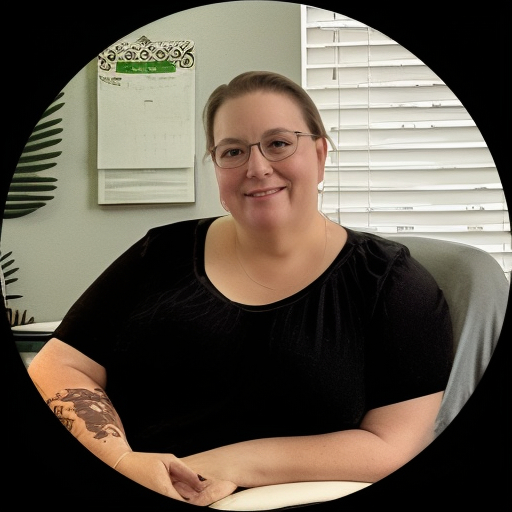
Susan Ramsey-French
Compassionate, practical care for family and parenting concerns
- Credentials
- LCSW
- Experience
- 8 years
- Licensed in
- Florida
- Languages
- English
- Format
- Online sessions
About Susan
Susan Ramsey-French is a licensed clinical social worker who focuses on common and painful problems parents often face. She helps people dealing with stress, anxiety, depression, trauma and abuse, anger, self-esteem struggles, bipolar symptoms, and compassion fatigue. Her work also addresses relationship and family concerns, plus coping with life changes.
Susan brings eight years of practice to each conversation and works from Florida. In sessions she keeps language straightforward and practical.
Background and approach
She listens first, then helps clients set small, achievable goals. Techniques often include cognitive behavioral strategies to change unhelpful thinking and mindfulness practices to reduce stress in daily life. She also uses EMDR for trauma-related symptoms when appropriate and motivational interviewing to support change.
Susan aims to make therapy feel like a collaboration. She helps people learn skills for managing intense feelings, improving communication, or handling major transitions. She also addresses more specific concerns such as attachment and abandonment issues, blended family dynamics, codependency, body image, and coping after disasters.
Her style mixes supportive conversation with concrete tools that can be used between sessions. Progress is tracked through agreed goals and small steps rather than vague promises. Sessions can include talking, skill practice, and guided mindfulness exercises.
Because she uses evidence-based methods, Susan blends approaches to fit each person’s needs. The focus is on practical change and building resilience so people can move forward from hard experiences.
How therapeutic approaches are used in online sessions
Client-Centered Therapy focuses on listening and understanding each person without judgment. It helps people feel heard and guides the work by following the client’s priorities. Cognitive Behavioral Therapy, or CBT, looks at the link between thoughts, feelings, and actions and teaches steps to change unhelpful thinking patterns. It is useful for anxiety, depression, and managing stress. Eye Movement Desensitization and Reprocessing, EMDR, is used for trauma-related symptoms and involves guided processing to reduce distress connected to painful memories.Finding the best approach is part of the therapeutic process. The therapist will talk with the client about goals, preferences, and what has or hasn’t worked before. Together they decide whether to focus on skill-based work like CBT, trauma processing like EMDR, or a supportive, client-led path. That collaborative planning is revisited as needs change.
Online formats make it easier to fit therapy into a busy life. Video calls allow face-to-face conversation and visual cues, phone sessions offer flexibility when video isn’t possible, and live chat or text-based messaging can support brief check-ins and skill practice between sessions. These options help clients access care in different ways while keeping the focus on progress and practical tools.
Client-Centered Therapy
The direction comes from you rather than from a set programme. The therapist offers a warm, non-judgemental space to think out loud and work at your own pace. Online, this rests on the relationship rather than on being in the same room.
Cognitive Behavioral Therapy (CBT)
CBT looks at the link between what you think, how you feel, and what you do. You work on noticing unhelpful patterns and practising steadier responses. It suits online sessions well, because much of the work happens between appointments and can be talked through from anywhere.
EMDR
A structured protocol used with distressing memories, pairing recall with guided attention tasks. Some therapists adapt it for video sessions; whether that fits is worth asking about directly.
Frequently asked questions
What kinds of problems does she help with?
What is her therapeutic style like?
What training and experience does she have?
Where is she licensed and what are her credentials?
Which languages are sessions offered in?
What session formats are available?
How does billing and cost work?
How do I begin working with her?
Specialties and expertise
Top specialties
- Stress, Anxiety
- Trauma and abuse
- Anger management
Also works with
- Abandonment
- Attachment issues
- Bipolar disorder
- Blended family issues
- Body image
- Co-morbidity
- Codependency
- Commitment issues
- Communication problems
- Compassion fatigue
- Control issues
- Coping with life changes
- Coping with natural or human-caused disaster
- Dependent personality
- Depression
- Dissociation
- Domestic violence
- Emptiness
- Family conflicts
- Family problems
- First responder issues
- Guilt and shame
- Impulsivity
- Isolation / loneliness
- Jealousy
- Life purpose
- Midlife crisis
- Mood disorders
- Obsessions, compulsions, and OCD
- Panic disorder and panic attacks
- Phobias
- Post-traumatic stress
- Relationship issues
- Self esteem
- Self-harm
- Self-love
- Sexual assault and abuse
- Social anxiety and phobia
- Trichotillomania
- Veteran and Armed Forces Issues
- Young adult issues
Therapeutic approaches
- Experience
- 8 years
- Licensed
- Florida
- Languages
- English
Next step
Talk to Susan
- Takes a few minutes
- Nothing to set up just to look
- Stop at any point