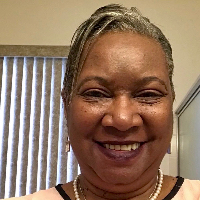
Stephanie Speller-Henderson
Family-focused counselor for parents and caregivers
- Credentials
- LCMHC
- Experience
- 19 years
- Licensed in
- North Carolina
- Languages
- English
- Format
- Online sessions
About Stephanie
Stephanie Speller-Henderson is a Licensed Clinical Mental Health Counselor (LCMHC) based in North Carolina. She works with families and parents facing stress, anxiety, relationship strain, trauma, and depression. She uses clear, practical steps in sessions and focuses on building a cooperative relationship with each client.
Stephanie aims to help caregivers and family members find manageable ways to improve communication and reduce overwhelm. Stephanie trained at the University of North Carolina at Charlotte, earning a Master of Arts in Community Counseling.
Background and approach
She also holds a Master in Theology in Pastoral Care and Counseling from Hood Theological Seminary. Her background includes work in emergency rooms, schools, churches, community counseling centers, group practice, and independent practice. Over nearly two decades she has counseled adults with chemical dependency and has worked with children, adolescents, and adults in family treatment settings.
She has taught locally and nationally about compassion for people living with HIV and AIDS and has used that experience in clinical and community work. Her approach blends several methods to match each client’s needs. Cognitive Behavioral Therapy is part of her practice and she uses techniques like cognitive restructuring, relaxation training, role play, and behavior management.
She also draws on narrative and psychodynamic ideas to look at family patterns and life stories. In sessions Stephanie involves clients in setting goals and in choosing the steps to reach them. She emphasizes responsibility for change while providing guidance on communication problems, attachment concerns, caregiver stress, grief, and workplace or family conflicts.
Therapeutic approaches and online options for families
Stephanie commonly uses Client-Centered Therapy and Cognitive Behavioral Therapy in online work. Client-Centered Therapy means the conversation is led by the client’s needs and pace, with the therapist offering empathy and reflection to help parents and family members feel heard. Cognitive Behavioral Therapy focuses on how thoughts and behaviors influence feelings and uses concrete exercises such as cognitive restructuring and relaxation training to reduce anxiety and improve daily functioning.She also incorporates Narrative Therapy to look at the stories families tell about themselves. That approach helps reframe difficult patterns and opens room for new ways of relating. Together with the client she decides which combination of approaches fits the family’s goals and preferences, making adjustments as progress is tracked.
Online sessions are offered by video call, phone, live chat, or text-based messaging to give families flexible options. These formats make it easier to fit counseling into busy schedules, support caregivers who cannot travel, and allow follow-up work through messaging between sessions. The therapist works with each family to choose the format and pace that best supports their needs.
Client-Centered Therapy
The direction comes from you rather than from a set programme. The therapist offers a warm, non-judgemental space to think out loud and work at your own pace. Online, this rests on the relationship rather than on being in the same room.
Cognitive Behavioral Therapy (CBT)
CBT looks at the link between what you think, how you feel, and what you do. You work on noticing unhelpful patterns and practising steadier responses. It suits online sessions well, because much of the work happens between appointments and can be talked through from anywhere.
Narrative Therapy
Looking at the story you have come to tell about yourself, and where it came from. The work is in separating the problem from your identity and finding accounts that fit you better.
Frequently asked questions
What issues does Stephanie help with?
What is her therapy style like?
How much experience does she have?
What credentials and location apply?
Which languages are supported and can she see international clients?
What session formats are available?
How is cost handled?
How do I begin sessions with her?
Specialties and expertise
Top specialties
- Stress, Anxiety
- Relationship issues
- Family conflicts
Also works with
Therapeutic approaches
- Experience
- 19 years
- Licensed
- North Carolina
- Languages
- English
Next step
Talk to Stephanie
- Takes a few minutes
- Nothing to set up just to look
- Stop at any point