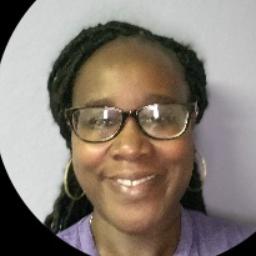
Shanda Hope
Calm guidance for stressful family moments
- Credentials
- LCSW
- Experience
- 26 years
- Licensed in
- Florida
- Languages
- English
- Format
- Online sessions
About Shanda
Shanda Hope is a licensed clinical social worker with long experience helping people facing stress, anxiety, depression, trauma, and anger. She works with clients who are struggling with self-esteem, motivation, grief, relationship concerns, parenting questions, bipolar disorder, and ADHD. She presents herself as a supportive guide who respects each person’s strengths and story.
Her approach is straightforward and practical. She listens first and helps people set clear, achievable goals. Sessions focus on skills that can be used between meetings and on small steps that add up to change.
Background and approach
Shanda uses evidence-informed methods such as Cognitive Behavioral Therapy and Acceptance and Commitment Therapy to address thoughts, behaviors, and values. She also draws on Dialectical Behavior Therapy skills and Client-Centered techniques to increase emotional regulation and build coping tools. Many clients find it helpful that she combines skill teaching with a respectful, nonjudgmental stance.
She encourages people to practice techniques in everyday life and reviews progress each session. Her aim is to support practical improvements rather than rely on jargon. Shanda holds a Florida LCSW, license number FL LCSW SW20328, and brings 26 years of professional experience to her work.
She offers services to people in Florida and conducts sessions in English. The focus on family and parenting is part of her practice areas when relevant to a client’s concerns.
Online approaches that focus on skills and values
Acceptance and Commitment Therapy, or ACT, helps people clarify what matters to them and take steps toward those values while learning to live with difficult thoughts. It is useful for anxiety, depression, and stress when someone wants a values-based direction. Cognitive Behavioral Therapy, CBT, looks at unhelpful thinking and behavior patterns and teaches concrete techniques to change them; it often helps with anxiety, depression, and mood symptoms. Dialectical Behavior Therapy, DBT, emphasizes emotional regulation, distress tolerance, and better interpersonal skills, which can be helpful for intense emotions and relationship struggles.Finding the right approach is part of the work. The therapist will collaborate with each person to decide which methods fit best for their goals and daily life. Sessions often mix skill-building, problem-solving, and real-life practice tailored to what a client wants to achieve.
Online therapy offers flexible ways to meet: video calls, phone sessions, live chat, or text-based messaging. These options make it easier to fit sessions into a busy schedule and to continue work between meetings. Licensed professionals can use these formats to teach skills, review progress, and adjust the plan as needs change, keeping the focus on practical steps that help in everyday life.
Acceptance and Commitment Therapy (ACT)
Less about arguing with difficult thoughts, more about loosening their grip and acting on what matters to you anyway. Values and committed action carry the work, which suits conversation at a distance.
Client-Centered Therapy
The direction comes from you rather than from a set programme. The therapist offers a warm, non-judgemental space to think out loud and work at your own pace. Online, this rests on the relationship rather than on being in the same room.
Cognitive Behavioral Therapy (CBT)
CBT looks at the link between what you think, how you feel, and what you do. You work on noticing unhelpful patterns and practising steadier responses. It suits online sessions well, because much of the work happens between appointments and can be talked through from anywhere.
Frequently asked questions
What concerns can Shanda address?
How would she describe her therapy style?
What is her background and experience?
Where is she licensed and practicing?
Which languages are supported for sessions?
Can people outside the U.S. work together with her?
What session formats are available?
How do fees and the subscription work?
Specialties and expertise
Top specialties
- Stress, Anxiety
- Trauma and abuse
- Anger management
Also works with
- ADHD
- Aging and geriatric issues
- Antisocial personality
- Autism and Asperger Syndrome
- Bipolar disorder
- Body image
- Communication problems
- Control issues
- Depression
- Disruptive Mood Dysregulation Disorder (DMDD)
- Dissociation
- Family conflicts
- Family problems
- Forgiveness
- Grief
- Intellectual disability
- Jealousy
- Mood disorders
- Narcissism
- Parenting issues
- Personality disorders
- Post-traumatic stress
- Relationship issues
- Self esteem
- Self-harm
- Self-love
- Social anxiety and phobia
- Young adult issues
Therapeutic approaches
- Experience
- 26 years
- Licensed
- Florida
- Languages
- English
Next step
Talk to Shanda
- Takes a few minutes
- Nothing to set up just to look
- Stop at any point