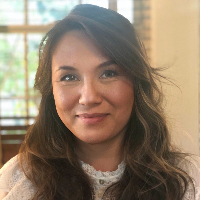
Sarah Teague
Calm, practical support for life and relationship stress
- Credentials
- LCSW
- Experience
- 7 years
- Licensed in
- North Carolina
- Languages
- English
- Format
- Online sessions
About Sarah
Sarah Teague is a Licensed Clinical Social Worker (LCSW) based in North Carolina. She draws on seven years in mental health to help people move toward clearer goals and greater self-awareness. Sarah keeps things direct and practical, helping clients name problems and try small, doable changes.
She aims to create a nonjudgmental space where people can speak honestly about what’s hard for them. Sarah’s background includes work in outpatient clinics, in-home care, and clinics focused on sexual assault, interpersonal violence, homelessness, and addictions.
Background and approach
That range shaped her approach to stress, anxiety, trauma and abuse, and compassion fatigue. She also brings experience addressing relationship and intimacy-related issues, parenting, sleep problems, self-esteem, and career stress. In sessions she uses evidence-based tools from cognitive behavioral therapy to help change unhelpful thoughts and behaviors.
She also draws on client-centered principles to follow each person’s pace and priorities. Solution-focused techniques are used when practical steps and short-term goals are the priority. Sarah often works with concerns such as abandonment, blended family issues, body image, codependency, communication problems, and guilt and shame.
She offers sessions in English and practices from North Carolina. Session formats include video calls, phone, live chat, and text-based messaging. Her style is warm, collaborative, and straightforward.
Parents reading on a phone will find clear guidance and simple tools they can try between sessions. To begin, clients complete a short matching questionnaire and schedule a session according to the therapist’s availability.
Therapeutic approaches for online family and relationship concerns
Sarah uses cognitive behavioral therapy to help identify unhelpful thought patterns and try small behavior changes that reduce stress and anxiety. CBT is practical and often focuses on day-to-day strategies for sleep, mood, and reactions to relationship tension.She also uses client-centered therapy which emphasizes listening, validation, and following the client’s priorities. That approach helps people feel heard and lets the therapist shape support around each person’s goals.
Solution-focused therapy is used when clients want brief, goal-oriented work. It concentrates on specific, achievable steps to improve communication, parenting routines, or coping with life changes.
Finding the right combination of methods is part of the process. Sarah works collaboratively to choose which approaches fit a person’s needs, goals, and preferences, and adjusts as progress is made.
Online therapy with her includes video calls, phone sessions, live chat, or text-based messaging. These options offer flexibility for busy schedules and make it easier to keep continuity of care. Many people appreciate being able to use different formats for check-ins, focused problem-solving, or ongoing support based on what works best for their life.
Client-Centered Therapy
The direction comes from you rather than from a set programme. The therapist offers a warm, non-judgemental space to think out loud and work at your own pace. Online, this rests on the relationship rather than on being in the same room.
Cognitive Behavioral Therapy (CBT)
CBT looks at the link between what you think, how you feel, and what you do. You work on noticing unhelpful patterns and practising steadier responses. It suits online sessions well, because much of the work happens between appointments and can be talked through from anywhere.
Solution-Focused Therapy
Rather than examining the problem at length, this looks at what is already working and builds on it. Sessions tend to be practical and forward-looking, with small achievable steps, which translates readily to shorter online conversations.
Frequently asked questions
What kinds of problems does Sarah address?
What is her overall therapy style like?
How much clinical experience does she have?
What credentials and location are listed?
Which languages are supported for sessions?
What session formats are available?
How does payment and cost work?
How do I begin working together?
Specialties and expertise
Top specialties
- Relationship issues
- Intimacy-related issues
Also works with
- Abandonment
- BDSM, kink, and alternative sex culture
- Blended family issues
- Body image
- Career difficulties
- Caregiver issues and stress
- Co-morbidity
- Codependency
- Commitment issues
- Communication problems
- Compassion fatigue
- Control issues
- Coping with life changes
- Dependent personality
- Emptiness
- Family conflicts
- Family problems
- Guilt and shame
- Impulsivity
- Infidelity
- Isolation / loneliness
- Jealousy
- Life purpose
- Money and financial issues
- Mood disorders
- Parenting issues
- Post-traumatic stress
- Self esteem
- Self-love
- Sexual dysfunction
- Sexuality
- Sleeping disorders
- Stress, Anxiety
- Trauma and abuse
- Veteran and Armed Forces Issues
- Women's issues
- Workplace issues
Therapeutic approaches
- Experience
- 7 years
- Licensed
- North Carolina
- Languages
- English
Next step
Talk to Sarah
- Takes a few minutes
- Nothing to set up just to look
- Stop at any point