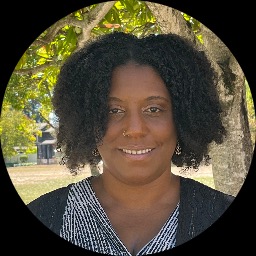
Rhonda Robertson
Accessible, practical therapy for everyday challenges
- Credentials
- LMFT
- Experience
- 4 years
- Licensed in
- California
- Languages
- English
- Format
- Online sessions
About Rhonda
Rhonda Robertson is a California licensed marriage and family therapist who meets people where they are. She speaks plainly and listens closely. Her style is calm and welcoming, aimed at parents and adults who are juggling stress, relationship strain, grief, or the fallout from trauma.
Rhonda acknowledges that beginning therapy can feel hard and she encourages the small first steps people take toward change. In sessions she focuses on practical ways to make daily life more manageable.
Background and approach
She draws from Cognitive Behavioral Therapy, Acceptance and Commitment Therapy, and Solution-Focused Therapy to help clients notice unhelpful patterns and try realistic alternatives. Conversations center on specific problems and usable skills rather than abstract theory. Rhonda also brings trauma-focused techniques when past harm is an ongoing issue.
Those methods are applied gently and paced to the client’s comfort. She uses a client-centered attitude to keep conversations grounded and nonjudgmental. Her practice addresses a range of concerns including stress, anxiety, addictions, relationship troubles, depression, parenting challenges, grief, and ADHD.
Additional focus areas include attachment and family of origin issues, postpartum depression, immigration and multicultural concerns, caregiver stress, and substance use problems. Rhonda holds the LMFT credential - Licensed Marriage and Family Therapist - and has four years of professional experience working in California. Sessions are offered in English and available through a mix of online formats.
Approaches that guide online sessions
Acceptance and Commitment Therapy, or ACT, encourages people to notice difficult thoughts and feelings without getting stuck in them and to commit to actions that match their values. It can help when anxiety, grief, or low motivation makes daily life hard. Cognitive Behavioral Therapy, CBT, looks at how thoughts influence feelings and behavior and teaches concrete skills to change unhelpful patterns. It is often used for anxiety, depression, and stress. Trauma-Focused Therapy addresses the effects of past harm by using carefully paced techniques designed to reduce trauma symptoms and improve coping.Finding the right approach is part of the work together. The therapist will talk with clients about their goals and preferences, and then try methods that fit their needs. Adjustments are made over time so the plan stays relevant and useful.
Online therapy options include video calls, phone sessions, live chat, and text-based messaging. These formats make it easier to fit therapy into busy schedules, allow ongoing support between meetings, and let people choose the mode that feels most comfortable. Licensed professionals can use these tools to teach skills, process experiences, and track progress while keeping sessions flexible and accessible.
Acceptance and Commitment Therapy (ACT)
Less about arguing with difficult thoughts, more about loosening their grip and acting on what matters to you anyway. Values and committed action carry the work, which suits conversation at a distance.
Client-Centered Therapy
The direction comes from you rather than from a set programme. The therapist offers a warm, non-judgemental space to think out loud and work at your own pace. Online, this rests on the relationship rather than on being in the same room.
Cognitive Behavioral Therapy (CBT)
CBT looks at the link between what you think, how you feel, and what you do. You work on noticing unhelpful patterns and practising steadier responses. It suits online sessions well, because much of the work happens between appointments and can be talked through from anywhere.
Frequently asked questions
What concerns can be addressed in sessions?
What is Rhonda's general approach to therapy?
How much professional experience does she have?
What are her credentials and where is she licensed?
Which languages are sessions offered in?
What session formats are available?
How are session fees handled?
How do I begin the process?
Specialties and expertise
Top specialties
- Stress, Anxiety
- Addictions
- Relationship issues
Also works with
- Abandonment
- ADHD
- Attachment issues
- Body image
- Caregiver issues and stress
- Codependency
- Coping with natural or human-caused disaster
- Depression
- Drug and alcohol addiction
- Eating and food-related issues
- Family of origin issues
- Family problems
- Grief
- Guilt and shame
- Immigration issues
- Multicultural concerns
- Parenting issues
- Post-traumatic stress
- Postpartum depression
- Pregnancy and childbirth
- Prejudice and discrimination
- Self-harm
- Sexual assault and abuse
- Trauma and abuse
- Women's issues
- Young adult issues
Therapeutic approaches
- Experience
- 4 years
- Licensed
- California
- Languages
- English
Next step
Talk to Rhonda
- Takes a few minutes
- Nothing to set up just to look
- Stop at any point