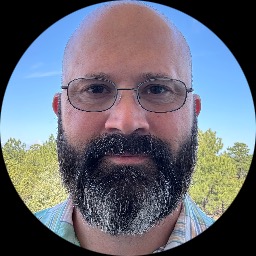
Paul Brunner
Experienced trauma-informed LCSW
- Credentials
- LCSW, CSW
- Experience
- 15 years
- Licensed in
- North Carolina, Colorado
- Languages
- English
- Format
- Online sessions
About Paul
Paul Brunner is a licensed clinical social worker who aims to help people feeling overwhelmed by stress, anxiety, or low mood. He speaks plainly and focuses on practical steps that can make daily life easier. He has 15 years of experience in mental health and holds LCSW and CSW credentials.
Paul practices from Colorado and offers sessions in English. He spent much of his career working with service members and veterans, beginning in 1999 as a mental health technician and continuing through active duty service as an Army officer and social worker.
Background and approach
That background shaped his skills in trauma-informed care and substance use treatment. He has also provided focused support to people impacted by domestic violence and sexual abuse. Paul trained in several evidence-based methods, including Cognitive Behavioral Therapy (CBT), Dialectical Behavioral Therapy (DBT), Eye Movement Desensitization and Reprocessing (EMDR), and Mindfulness Based Stress Reduction.
He puts those tools to use in short-term goal work and in longer-term healing when needed. He also uses motivational interviewing to help people make changes they want to keep. In sessions he tends to be direct and practical.
He listens first, then helps set manageable goals. He teaches skills for coping, managing intense emotions, and improving sleep or daily routine. Progress often focuses on small steps that add up over time.
Paul notes that recovery and growth look different for everyone. He aims to meet each person where they are, support healthy change, and reduce the hold of past experiences on present life.
How evidence-based methods work online
Paul uses Cognitive Behavioral Therapy and Eye Movement Desensitization and Reprocessing to address current symptoms and past trauma. CBT focuses on identifying unhelpful thoughts and changing patterns that increase anxiety or low mood, and it often includes simple home practice. EMDR is used to process traumatic memories and reduce their emotional intensity by guiding attention while recalling distressing events.He also uses Dialectical Behavior Therapy skills and mindfulness techniques to help people manage intense emotions and build coping strategies. DBT-style skills teach emotion regulation, distress tolerance, and interpersonal effectiveness. Mindfulness practices support grounding and improved sleep or focus.
Finding the right approach is part of the work together. The therapist will talk with each person about their goals, try a few methods when needed, and adjust based on what helps. This collaborative process aims to match tools to the client's needs and preferences.
Online sessions are offered via video calls, phone sessions, live chat, or text-based messaging to make ongoing work easier to fit into daily life. These formats allow flexible scheduling and repeated, short check-ins when that is helpful. Many people find the variety of contact options helpful for practicing skills between sessions and keeping momentum toward their goals.
Cognitive Behavioral Therapy (CBT)
CBT looks at the link between what you think, how you feel, and what you do. You work on noticing unhelpful patterns and practising steadier responses. It suits online sessions well, because much of the work happens between appointments and can be talked through from anywhere.
Dialectical Behavior Therapy (DBT)
Concrete skills for riding out strong emotion, tolerating distress, and handling relationships without things escalating. The skills are practised in daily life, so between-session support by message or phone fits naturally.
EMDR
A structured protocol used with distressing memories, pairing recall with guided attention tasks. Some therapists adapt it for video sessions; whether that fits is worth asking about directly.
Frequently asked questions
What kinds of concerns does Paul address?
What is his therapeutic style like?
How much clinical experience does he have?
What credentials and location apply to his practice?
Which languages are sessions offered in?
What session formats are available?
How do costs and billing work?
What should I do to get started?
Specialties and expertise
Top specialties
- Stress, Anxiety
- Trauma and abuse
- Anger management
Also works with
- ADHD
- Bipolar disorder
- Body image
- Career difficulties
- Communication problems
- Compassion fatigue
- Control issues
- Coping with natural or human-caused disaster
- Depression
- Divorce and separation
- Domestic violence
- Drug and alcohol addiction
- Eating and food-related issues
- Family conflicts
- Family of origin issues
- First responder issues
- Guilt and shame
- Impulsivity
- Isolation / loneliness
- LGBT
- Men's issues
- Midlife crisis
- Mood disorders
- Obsessions, compulsions, and OCD
- Panic disorder and panic attacks
- Personality disorders
- Phobias
- Post-traumatic stress
- Self esteem
- Self-harm
- Sexual assault and abuse
- Sleeping disorders
- Social anxiety and phobia
- Veteran and Armed Forces Issues
- Workplace issues
Therapeutic approaches
- Experience
- 15 years
- Licensed
- North Carolina, Colorado
- Languages
- English
Next step
Talk to Paul
- Takes a few minutes
- Nothing to set up just to look
- Stop at any point