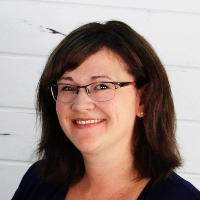
Pamela (Pam) Skon
Calm, practical support for family and parenting concerns
- Credentials
- LICSW, LCSW
- Experience
- 12 years
- Licensed in
- Washington, Idaho
- Languages
- English
- Format
- Online sessions
About Pamela
Pamela (Pam) Skon greets people who are wrestling with stress, anxiety, parenting challenges, grief, or life transitions. She keeps conversations straightforward and practical. Pam aims to help clients notice what matters to them and take small, clear steps forward.
She writes and speaks in plain English and offers a steady, respectful presence in sessions. Her approach blends ideas from cognitive behavioral work, acceptance and commitment methods, and client-centered listening. Sessions focus on concrete tools for shifting unhelpful thoughts, building everyday routines, and strengthening relationships that matter.
Background and approach
Mindfulness techniques are used when they fit the client’s goals, and discussions about attachment patterns guide work on connection and trust. Pam holds both a Licensed Independent Clinical Social Worker credential and a Licensed Clinical Social Worker credential - LICSW and LCSW. She has practiced for 12 years and lives in Idaho.
Her background includes work with depression, trauma and abuse, addictions, bipolar disorder, ADHD, and many life stressors that affect daily functioning. Therapy with Pam often combines short-term skill building and longer conversations about patterns that keep people stuck. She helps clarify priorities and crafts doable steps clients can try between sessions.
The tone is collaborative and focused on practical change rather than jargon. Sessions are offered in English and conducted online by video calls, phone, live chat, or text-based messaging. Costs use a cancellable subscription model and vary by location and therapist arrangements.
To get started, users select the Start Therapy button, complete a brief matching questionnaire, and schedule based on availability.
Approaches to online therapy and how they help
Acceptance and Commitment Therapy (ACT) helps people clarify values and take small committed actions toward them. It focuses on living in line with what matters, even when painful thoughts or feelings appear. Cognitive Behavioral Therapy (CBT) teaches practical skills to change thinking patterns and routines that worsen anxiety or depression. It breaks problems into manageable steps and tests small experiments between sessions. Attachment-Based Therapy looks at patterns of connection and safety in relationships and helps people rebuild trust and clearer communication when old wounds show up.Finding the right approach is part of the work. The therapist will collaborate with each person to decide which methods match their needs, goals, and comfort level. That plan can shift over time as new priorities or challenges appear.
Online therapy offers flexible ways to meet. Video calls allow face-to-face conversations. Phone sessions can fit into busy days. Live chat and text-based messaging support shorter check-ins or ongoing coaching between sessions. These options make it easier to weave therapy into family schedules, work, and daily life while still focusing on clear, practical steps toward change.
Acceptance and Commitment Therapy (ACT)
Less about arguing with difficult thoughts, more about loosening their grip and acting on what matters to you anyway. Values and committed action carry the work, which suits conversation at a distance.
Attachment-Based Therapy
Looks at how early bonds shaped what you expect from closeness, and how that plays out now with a partner, a parent, or your own children.
Client-Centered Therapy
The direction comes from you rather than from a set programme. The therapist offers a warm, non-judgemental space to think out loud and work at your own pace. Online, this rests on the relationship rather than on being in the same room.
Frequently asked questions
What issues does Pam address in sessions?
How would you describe her therapy style?
What is her clinical background?
What credentials and location are listed?
Which languages are supported for sessions?
What formats are available for meeting online?
How does pricing work for sessions?
What are the first steps to begin therapy?
Specialties and expertise
Top specialties
Also works with
- Abandonment
- Addictions
- ADHD
- Adoption and foster care
- Anger management
- Attachment issues
- Autism and Asperger Syndrome
- Bipolar disorder
- Blended family issues
- Career difficulties
- Chronic pain, illness, and disability
- Coaching
- Compassion fatigue
- Control issues
- Coping with life changes
- Depression
- Disruptive Mood Dysregulation Disorder (DMDD)
- Divorce and separation
- Emptiness
- Family conflicts
- Family problems
- Grief
- Guilt and shame
- Impulsivity
- LGBT
- Midlife crisis
- Money and financial issues
- Mood disorders
- Panic disorder and panic attacks
- Parenting issues
- Post-traumatic stress
- Postpartum depression
- Relationship issues
- Seasonal Affective Disorder (SAD)
- Sleeping disorders
- Social anxiety and phobia
- Women's issues
- Workplace issues
- Young adult issues
Therapeutic approaches
- Experience
- 12 years
- Licensed
- Washington, Idaho
- Languages
- English
Next step
Talk to Pamela
- Takes a few minutes
- Nothing to set up just to look
- Stop at any point