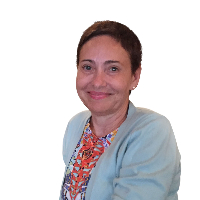
Dr. Monica Dremann
Supportive psychologist for parenting stress
- Credentials
- CA Psychologist PSY27325
- Experience
- 10 years
- Licensed in
- California
- Languages
- English
- Format
- Online sessions
About Monica
Dr. Monica Dremann is a licensed psychologist in California who helps people facing common family and parenting stresses, anxiety, depression, grief, addiction concerns, and life changes. She draws on ten years of clinical experience and gentle curiosity to guide conversations about intimacy, self-esteem, compassion fatigue, and ADHD.
Her tone is practical and warm, aimed at parents and caregivers who need clear support and workable steps. She combines straightforward talk with evidence-based strategies.
Background and approach
Sessions often include problem-solving, exploring patterns from the past, and learning new ways to manage strong emotions. Monica adapts methods to each person rather than pushing one single style. In practice she uses cognitive-behavioral techniques to identify unhelpful thoughts and try new behaviors.
She also includes mindfulness skills to reduce stress and ground attention. Elements of psychodynamic thinking help people notice the ways earlier relationships shape current reactions. Monica emphasizes collaboration.
She helps people set concrete goals, tests what works, and adjusts the plan as needed. Work can focus on short-term problem solving or on deeper patterns depending on what a client prefers. She holds the California psychologist license CA Psychologist PSY27325 and has practiced since about 2008.
Sessions are offered in English and organized to fit the realities of parenting life, with flexible formats and an emphasis on usable skills.
Approaches that translate well to online care
Client-Centered Therapy focuses on empathy and understanding. In practice this means the therapist listens closely and follows the client's lead, helping people find their own solutions and goals. It is helpful for building trust and working through personal concerns at a steady pace.Cognitive Behavioral Therapy or CBT helps identify unhelpful thoughts and changes behaviors that keep problems going. It uses concrete exercises and homework to test new ways of thinking, which can be useful for anxiety, depression, parenting stress, and impulsivity.
Mindfulness Therapy teaches simple attention and breathing practices to reduce reactivity and increase calm. Those skills are practical for people juggling caregiving, work, and relationship demands.
Choosing an approach is a collaborative process. The therapist will talk with each person about goals, try methods that match those goals, and adjust over time. Clients and the therapist decide together whether to emphasize short-term problem solving or deeper exploration.
Online therapy offers flexibility for busy lives. Video calls allow face-to-face work when schedules permit. Phone sessions, live chat, and text-based messaging make it easier to get support between appointments or on hectic days. These options help people maintain continuity of care while balancing parenting and other responsibilities.
Client-Centered Therapy
The direction comes from you rather than from a set programme. The therapist offers a warm, non-judgemental space to think out loud and work at your own pace. Online, this rests on the relationship rather than on being in the same room.
Cognitive Behavioral Therapy (CBT)
CBT looks at the link between what you think, how you feel, and what you do. You work on noticing unhelpful patterns and practising steadier responses. It suits online sessions well, because much of the work happens between appointments and can be talked through from anywhere.
Mindfulness Therapy
Attention training: noticing thoughts and physical feelings as they arrive without being carried off by them. Much of it is practice you do yourself, so guidance over video or audio works much as it would in person.
Frequently asked questions
What concerns does this therapist address?
How would therapy feel day to day?
What is her clinical background?
What are her credentials and where is she based?
Which languages are supported?
Can people outside the country work with her?
What session formats are available?
How does billing and getting started work?
Specialties and expertise
Top specialties
Also works with
- ADHD
- Aging and geriatric issues
- Blended family issues
- Caregiver issues and stress
- Compassion fatigue
- Coping with life changes
- Coping with natural or human-caused disaster
- Depression
- Drug and alcohol addiction
- Family conflicts
- Family of origin issues
- First responder issues
- Grief
- Hospice and end-of-life counseling
- Impulsivity
- Infidelity
- Intimacy-related issues
- Midlife crisis
- Mood disorders
- Parenting issues
- Relationship issues
- Self esteem
- Trauma and abuse
- Women's issues
- Young adult issues
Therapeutic approaches
- Experience
- 10 years
- Licensed
- California
- Languages
- English
Next step
Talk to Monica
- Takes a few minutes to look through
- Nothing to set up just to read
- Stop at any point