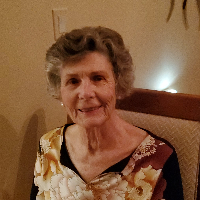
Mary Anne Ruane
Compassionate, practical help for life and family challenges
- Credentials
- LCSW
- Experience
- 30 years
- Licensed in
- New Jersey
- Languages
- English
- Format
- Online sessions
About Mary
Mary Anne Ruane is a licensed clinical social worker who helps adults and families manage stress, anxiety, addictions, depression, parenting challenges, and relationship and family concerns. She uses clear, practical steps in sessions so people can cope better with life changes and grief. Her work also addresses trauma, intimacy issues, eating concerns, anger, self-esteem, and bipolar-related challenges.
Ruane brings roughly 30 years of clinical experience to her practice in New Jersey.
Background and approach
She adapts methods to fit each person’s needs rather than using one fixed approach. Sessions are straightforward and goal-oriented, with time spent on what will help most in daily life. She has particular experience with substance use issues and supporting family members affected by addiction.
Ruane also treats anxiety disorders, phobias, and depression. As a trained hypnotherapist she offers hypnotherapy when it matches a client’s goals and comfort level. Her style blends practical strategies and motivational techniques to help people make changes.
Cognitive Behavioral Therapy, Motivational Interviewing, Solution-Focused Therapy, and hypnotherapy are tools she commonly uses. Plans focus on small, manageable steps that lead to better functioning at home and work. Sessions may include conversations about communication, boundaries, coping skills, and relapse prevention when relevant.
She works with adults seeking support for family and parenting matters and other life stresses. The aim is steady, realistic progress rather than quick fixes.
Approaches and online care that fit family life
CBT, or Cognitive Behavioral Therapy, focuses on practical steps to change unhelpful thoughts and behaviors. It is often used for anxiety, depression, panic, and phobias by teaching skills to manage symptoms day to day.Motivational Interviewing helps people find their own reasons to change. It works well for substance use and other habits by building motivation and a doable plan rather than pushing advice.
Finding the right approach is a collaborative process. The therapist will discuss goals, preferences, and what has worked in the past, then try methods that fit the person and family situation. Plans are adjusted as progress is made so the work stays relevant and realistic.
Online therapy offers flexibility for busy schedules and family needs. Video calls, phone sessions, live chat, or text-based messaging let people connect from home, during breaks, or while traveling. These formats make it easier to keep regular contact, practice new skills between meetings, and maintain momentum toward goals.
Cognitive Behavioral Therapy (CBT)
CBT looks at the link between what you think, how you feel, and what you do. You work on noticing unhelpful patterns and practising steadier responses. It suits online sessions well, because much of the work happens between appointments and can be talked through from anywhere.
Motivational Interviewing
A way of working through mixed feelings about change without being pushed. The therapist helps you weigh things up and find your own reasons, which often makes a difficult decision feel less stuck.
Solution-Focused Therapy
Rather than examining the problem at length, this looks at what is already working and builds on it. Sessions tend to be practical and forward-looking, with small achievable steps, which translates readily to shorter online conversations.
Frequently asked questions
What concerns does she address?
What is her general therapy style?
How much clinical experience does she have?
What credentials and location apply?
Are sessions offered in other languages or to international clients?
Which session formats are available?
How does payment and cost work?
How do I begin working with her?
Specialties and expertise
Top specialties
Also works with
- Aging and geriatric issues
- Anger management
- Bipolar disorder
- Codependency
- Communication problems
- Coping with life changes
- Depression
- Drug and alcohol addiction
- Eating and food-related issues
- Eating disorders
- Family conflicts
- Grief
- Guilt and shame
- Intimacy-related issues
- Obsessions, compulsions, and OCD
- Panic disorder and panic attacks
- Parenting issues
- Phobias
- Process addiction (porn, exercise, gambling)
- Relationship issues
- Self esteem
- Social anxiety and phobia
- Trauma and abuse
- Workplace issues
Therapeutic approaches
- Experience
- 30 years
- Licensed
- New Jersey
- Languages
- English
Next step
Talk to Mary
- Takes a few minutes
- Nothing to set up just to look
- Stop at any point