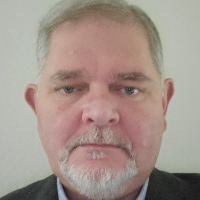
Mark Rogers
Practical, goal-focused counseling for everyday struggles
- Credentials
- LMHC
- Experience
- 15 years
- Licensed in
- Florida
- Languages
- English
- Format
- Online sessions
About Mark
Mark Rogers is a licensed mental health counselor (LMHC) based in Florida. He focuses on practical support for people dealing with stress, anxiety, parenting challenges, relationship problems, and life transitions. Sessions are aimed at helping clients set clear goals and work toward them in ways that fit everyday life.
He draws on 15 years of counseling experience and prior years of coaching in career and daily functioning. He uses straightforward talk, skill practice, and goal planning rather than labels or long assessments.
Background and approach
The relationship in the room is central - Mark emphasizes listening, respect, and working without judgment. Mark integrates several therapy methods to meet specific problems. He combines cognitive behavioral techniques with acceptance and commitment ideas to help change unhelpful patterns and clarify personal values.
He also brings dialectical behavior therapy skills for emotional regulation and EMDR methods when trauma memories are a barrier to progress. He employs practical tools such as mindfulness exercises, skills for handling strong emotions, and step-by-step plans for problem solving. Hypnotherapy is also part of his toolkit where appropriate and agreed on with the client.
The goal is steady, usable change that people can carry into home life. During sessions Mark focuses on what the client wants to achieve. He helps set small, measurable steps and checks progress along the way.
For a worried parent reading on a phone, his approach is straightforward and action oriented, with steady support throughout the process.
Therapy methods that translate well to online care
Acceptance and Commitment Therapy (ACT) helps people notice difficult thoughts and feelings without getting stuck in them. It focuses on identifying personal values and taking small actions that matter, which can ease worry and improve family life. Cognitive Behavioral Therapy (CBT) looks at the links between thoughts, feelings, and actions and teaches practical exercises to shift unhelpful patterns. It is useful for anxiety, depression, and sleep or parenting struggles. Eye Movement Desensitization and Reprocessing (EMDR) is a trauma-focused approach that works with distressing memories to reduce their emotional impact; selections of EMDR techniques can be introduced when trauma is part of the picture.Deciding which approach to use is a shared process. The therapist will talk with the client about goals, try methods that fit those goals, and adjust the plan over time. This collaborative stance helps match tools to each persons needs and preferences rather than using a one-size-fits-all method.
Online therapy offers flexibility by allowing sessions by video, phone, live chat, or text-based messaging. Theseformats let people fit counseling into busy days, continue work while traveling in state, and use shorter or longer contact as needs change. For many concerns, these options make it easier to practice new skills between sessions and keep steady progress.
Acceptance and Commitment Therapy (ACT)
Less about arguing with difficult thoughts, more about loosening their grip and acting on what matters to you anyway. Values and committed action carry the work, which suits conversation at a distance.
Client-Centered Therapy
The direction comes from you rather than from a set programme. The therapist offers a warm, non-judgemental space to think out loud and work at your own pace. Online, this rests on the relationship rather than on being in the same room.
Cognitive Behavioral Therapy (CBT)
CBT looks at the link between what you think, how you feel, and what you do. You work on noticing unhelpful patterns and practising steadier responses. It suits online sessions well, because much of the work happens between appointments and can be talked through from anywhere.
Frequently asked questions
What kinds of concerns does Mark address?
What is his therapeutic style like?
How long has he been practicing?
What are his qualifications and where is he licensed?
Which languages are supported for sessions?
What session formats are available online?
How is cost handled for sessions?
How do I begin working with him?
Specialties and expertise
Top specialties
Also works with
- Addictions
- ADHD
- Anger management
- Bipolar disorder
- Blended family issues
- Career difficulties
- Coaching
- Communication problems
- Coping with life changes
- Coping with natural or human-caused disaster
- Depression
- Family conflicts
- Family of origin issues
- Family problems
- Fatherhood issues
- Forgiveness
- Impulsivity
- LGBT
- Men's issues
- Panic disorder and panic attacks
- Parenting issues
- Post-traumatic stress
- Relationship issues
- Self esteem
- Self-harm
- Sleeping disorders
- Somatization
- Veteran and Armed Forces Issues
- Young adult issues
Therapeutic approaches
- Experience
- 15 years
- Licensed
- Florida
- Languages
- English
Next step
Talk to Mark
- Takes a few minutes
- Nothing to set up just to look
- Stop at any point