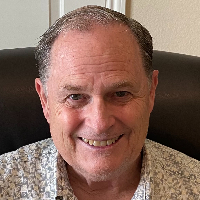
Donald Macleod
Experienced Texas marriage and family therapist
- Credentials
- LMFT
- Experience
- 37 years
- Licensed in
- Texas
- Languages
- English
- Format
- Online sessions
About Donald
Donald Macleod is a licensed marriage and family therapist with decades of clinical work in Texas. He focuses on relationship and family concerns along with stress, anxiety, grief, parenting, and issues around intimacy. He uses straightforward, practical approaches in sessions and aims to help people make useful change.
His style is direct but compassionate, and he will refer to other professionals when a different specialty is needed. With 37 years of experience, Donald draws from several therapy methods.
Background and approach
He often uses cognitive behavioral techniques to help people identify and change unhelpful thoughts and behaviors. He also uses client-centered skills to listen closely and create a steady, respectful space for conversation. Hypnotherapy and solution-focused strategies appear in his work when they fit the situation.
Hypnotherapy may be used to support shifting habits or managing stress, while solution-focused work targets clear, small goals to create forward movement. He tailors methods to each person rather than applying a single formula. Sessions emphasize practical steps and short-term goals alongside deeper conversation about patterns and feelings.
Donald believes people can change when they are motivated and engaged, and he works collaboratively to set goals and track progress. He is willing to refer when a client needs a different kind of care. Donald holds the LMFT credential, which stands for Licensed Marriage and Family Therapist, and practices in Texas.
Conversations are offered in English and he brings a calm, experienced presence to each meeting.
Therapeutic approaches and online care
Donald often uses cognitive behavioral therapy to help people notice unhelpful thoughts and test new ways of thinking and acting. CBT is practical and problem-focused, which can help with anxiety, depression, stress, and many everyday challenges.He also uses client-centered therapy to provide a warm, nonjudgmental space where the person sets the pace. This approach helps people feel heard and supported while they decide what changes matter most to them.
Finding the right approach is part of the work. He will talk with each person to decide which methods fit their needs, goals, and preferences, and then adapt the plan as progress is made. The process is collaborative and adjusts if something is not helping.
Online sessions can be done by video calls, phone sessions, live chat, or text-based messaging, offering flexibility for different schedules. These formats make it easier to fit therapy into busy lives and to continue care when in-person meetings are difficult. Many people find the range of options helps them stay consistent with goals and practice new skills between sessions.
Client-Centered Therapy
The direction comes from you rather than from a set programme. The therapist offers a warm, non-judgemental space to think out loud and work at your own pace. Online, this rests on the relationship rather than on being in the same room.
Cognitive Behavioral Therapy (CBT)
CBT looks at the link between what you think, how you feel, and what you do. You work on noticing unhelpful patterns and practising steadier responses. It suits online sessions well, because much of the work happens between appointments and can be talked through from anywhere.
Solution-Focused Therapy
Rather than examining the problem at length, this looks at what is already working and builds on it. Sessions tend to be practical and forward-looking, with small achievable steps, which translates readily to shorter online conversations.
Frequently asked questions
What concerns does he address?
How would you describe his therapeutic style?
What training and experience does he have?
Which credentials and where is he licensed?
In what languages are sessions offered?
What session formats are available?
How are fees and billing handled?
How do I begin therapy with him?
Specialties and expertise
Top specialties
- Relationship issues
- Family conflicts
- Trauma and abuse
Also works with
- Abandonment
- Aging and geriatric issues
- Anger management
- Attachment issues
- Blended family issues
- Commitment issues
- Communication problems
- Coping with life changes
- Depression
- Divorce and separation
- Family of origin issues
- Family problems
- Fatherhood issues
- Forgiveness
- Grief
- Guilt and shame
- Infidelity
- Intimacy-related issues
- Jealousy
- Life purpose
- Men's issues
- Midlife crisis
- Money and financial issues
- Mood disorders
- Parenting issues
- Personality disorders
- Process addiction (porn, exercise, gambling)
- Self esteem
- Self-harm
- Sex addiction
- Sexual assault and abuse
- Sexuality
- Stress, Anxiety
Therapeutic approaches
- Experience
- 37 years
- Licensed
- Texas
- Languages
- English
Next step
Talk to Donald
- Takes a few minutes
- Nothing to set up just to look
- Stop at any point