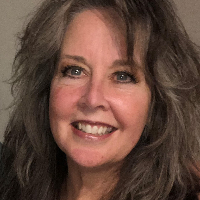
Diane Winn-Clouse
Warm, practical counseling for life transitions
- Credentials
- LPC
- Experience
- 25 years
- Licensed in
- Colorado
- Languages
- English, French
- Format
- Online sessions
About Diane
Diane Winn-Clouse is a Licensed Professional Counselor (LPC) who uses a client-centered, practical approach to help people navigate life changes. She blends cognitive-behavioral tools with listening and empathy to address stress, anxiety, mood concerns, and relationship struggles. Her tone in sessions is warm and nonjudgmental, focused on clear steps people can try between meetings.
She brings 25 years of experience in counseling and teaching. That background informs her work with issues such as parenting challenges, family difficulties, grief, career transitions, and intimacy-related concerns.
Background and approach
Diane also supports people dealing with eating and sleeping problems, postpartum depression, and seasonal mood shifts. Her toolbox includes emotion-focused techniques to address hurt and connection, mindfulness to reduce reactivity, and solution-focused methods to identify concrete next steps. She explains ideas plainly and helps clients test small changes that lead to better coping and clearer choices.
Diane practices from Colorado and offers sessions in English and French. Video calls, phone sessions, live chat, and text-based messaging are part of how she meets with people. Fees vary with location and use a subscription model that can be canceled at any time.
To begin, a person follows the Start Therapy prompt, completes a short matching questionnaire, and then schedules based on availability. Diane aims to provide steady support while clients work toward their goals.
How Diane's Approaches Work Online
Client-centered therapy focuses on listening and understanding where a person is coming from. The therapist mirrors concerns, helps people name what matters, and supports them in choosing their next steps; this approach is useful for stress, life transitions, and relationship worries.Cognitive Behavioral Therapy, or CBT, looks at how thoughts, feelings, and behaviors connect. Online CBT sessions emphasize practical skills - breaking down problems, testing new actions, and tracking small changes that reduce anxiety and mood symptoms.
Emotionally-Focused Therapy, or EFT, concentrates on patterns in close relationships and the emotions behind them. In remote sessions this work helps people recognize painful interaction cycles and practice new ways of relating that build security and connection.
Finding the right mix of approaches is a team effort. The therapist will talk with a person about goals, try methods that fit those goals, and adjust based on how things are going. That collaborative process helps clients find what feels most helpful for them.
Online formats like video calls, phone sessions, live chat, and text-based messaging offer practical flexibility. People can schedule sessions around work and family life, use short messaging to check in between meetings, or choose video when they prefer face-to-face interaction. These options make it easier to keep consistent progress while fitting therapy into a busy routine.
Client-Centered Therapy
The direction comes from you rather than from a set programme. The therapist offers a warm, non-judgemental space to think out loud and work at your own pace. Online, this rests on the relationship rather than on being in the same room.
Cognitive Behavioral Therapy (CBT)
CBT looks at the link between what you think, how you feel, and what you do. You work on noticing unhelpful patterns and practising steadier responses. It suits online sessions well, because much of the work happens between appointments and can be talked through from anywhere.
Emotionally-Focused Therapy (EFT)
Attends to the emotions underneath a recurring argument or distance, and to the attachment needs driving them. Often used where a relationship keeps returning to the same painful loop.
Frequently asked questions
What concerns does Diane help with?
How would she describe her therapy style?
What is her background and experience?
What credential and location apply to her practice?
Which languages are offered for sessions?
What session formats are available?
How does pricing work for sessions?
How do I get started with therapy?
Specialties and expertise
Top specialties
- Stress, Anxiety
- Relationship issues
- Intimacy-related issues
Also works with
- Blended family issues
- Body image
- Career difficulties
- Coaching
- Codependency
- Commitment issues
- Compassion fatigue
- Control issues
- Coping with life changes
- Depression
- Divorce and separation
- Eating disorders
- Family conflicts
- Family problems
- Grief
- Infidelity
- Midlife crisis
- Mood disorders
- Obsessions, compulsions, and OCD
- Parenting issues
- Phobias
- Polyamory / non-monogamous relationships
- Postpartum depression
- Seasonal Affective Disorder (SAD)
- Self esteem
- Self-love
- Sleeping disorders
- Somatization
- Women's issues
- Workplace issues
Therapeutic approaches
- Experience
- 25 years
- Licensed
- Colorado
- Languages
- English, French
Next step
Talk to Diane
- Takes a few minutes to look through
- Nothing to set up just to read
- Stop at any point