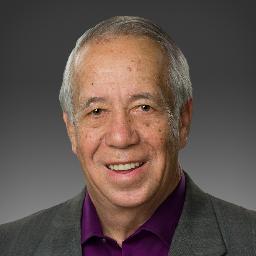
Curtis Spears
Calm, experienced counselor for life changes
- Credentials
- LMHC, LPC
- Experience
- 17 years
- Licensed in
- Louisiana, Oregon, Florida
- Languages
- English
- Format
- Online sessions
About Curtis
Curtis Spears is a licensed counselor who supports people dealing with stress, anxiety, depression, parenting challenges, relationship strain, grief, and addiction. He draws on 17 years of counseling experience and a calm, accepting presence to help people who are feeling overwhelmed or stuck. Curtis works with issues like trauma, intimacy concerns, sleeping problems, anger, and career stress.
He also addresses ADHD, bipolar mood concerns, and compassion fatigue. In sessions Curtis aims to listen first and respond without judgment.
Background and approach
He uses straightforward talk and practical steps so people can try changes between meetings. He has worked in hospital psychiatric units and pediatric clinics, and he spent time as an employee assistance program counselor in a large hospital system. That variety shaped his ability to meet many kinds of problems.
Curtis also taught as an adjunct professor at Louisiana State University, Shreveport, which adds a teaching perspective to his work. He is licensed in Louisiana, Florida, and Oregon with the Florida LMHC number MH25766 and the Oregon LPC number C8585. He accepts international clients and offers sessions in English.
His current solo practice focuses on an empathetic, nonjudgmental approach. Curtis says his family life and longtime commitments inform a steady, relational style in therapy. He typically sees clients six days a week and remains flexible about scheduling when possible.
Curtis enjoys sailing, backpacking, skiing, and cooking, and he brings a practical, down-to-earth style to counseling. He encourages anyone curious about starting therapy to reach out and begin with a short matching questionnaire.
Therapeutic approaches and online options
Acceptance and Commitment Therapy (ACT) helps people notice unhelpful thoughts and choose actions that match their values. It’s useful for anxiety, stress, and coping with life changes. Cognitive Behavioral Therapy (CBT) focuses on identifying patterns of thinking and behavior that maintain problems and then teaches practical skills to change them, often used for depression, anxiety, and sleep issues. Emotionally-Focused Therapy (EFT) centers on how emotions shape relationships and helps people improve connection and trust in close partnerships.Finding the right approach is a collaborative process. Curtis works with each person to match methods to their goals and preferences, adjusting techniques as needed. He listens to what matters most to the client and recommends a combination of approaches when that seems helpful.
Online therapy offers flexibility through video calls, phone sessions, live chat, and text messaging. These options make it easier to fit sessions around work, parenting, and travel. Curtis uses these formats to keep continuity of care and to provide practical tools and check-ins between meetings, making therapy reachable for people in different places and time zones.
Acceptance and Commitment Therapy (ACT)
Less about arguing with difficult thoughts, more about loosening their grip and acting on what matters to you anyway. Values and committed action carry the work, which suits conversation at a distance.
Client-Centered Therapy
The direction comes from you rather than from a set programme. The therapist offers a warm, non-judgemental space to think out loud and work at your own pace. Online, this rests on the relationship rather than on being in the same room.
Cognitive Behavioral Therapy (CBT)
CBT looks at the link between what you think, how you feel, and what you do. You work on noticing unhelpful patterns and practising steadier responses. It suits online sessions well, because much of the work happens between appointments and can be talked through from anywhere.
Frequently asked questions
What concerns does Curtis address?
How would you describe his therapy style?
What background does he bring to sessions?
What are his credentials and location?
Which languages are supported and can he work internationally?
What session formats are available?
How are costs handled?
What are the first steps to begin therapy?
Specialties and expertise
Top specialties
- Stress, Anxiety
- Relationship issues
- Family conflicts
Also works with
- Abandonment
- Addictions
- ADHD
- Aging and geriatric issues
- Anger management
- Autism and Asperger Syndrome
- Bipolar disorder
- Blended family issues
- Career difficulties
- Coaching
- Commitment issues
- Communication problems
- Compassion fatigue
- Control issues
- Coping with life changes
- Dependent personality
- Depression
- Divorce and separation
- Family problems
- Grief
- Guilt and shame
- Hospice and end-of-life counseling
- Infidelity
- Intimacy-related issues
- Isolation / loneliness
- Jealousy
- Midlife crisis
- Money and financial issues
- Mood disorders
- Multicultural concerns
- Obsessions, compulsions, and OCD
- Panic disorder and panic attacks
- Parenting issues
- Personality disorders
- Phobias
- Post-traumatic stress
- Postpartum depression
- Prejudice and discrimination
- Seasonal Affective Disorder (SAD)
- Self esteem
- Sexual assault and abuse
- Sexuality
- Sleeping disorders
- Social anxiety and phobia
- Trauma and abuse
Therapeutic approaches
- Experience
- 17 years
- Licensed
- Louisiana, Oregon, Florida
- Languages
- English
Next step
Talk to Curtis
- Takes a few minutes
- Nothing to set up just to look
- Stop at any point