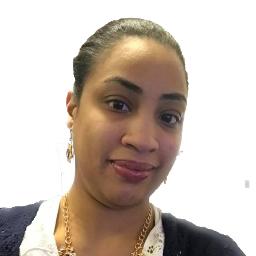
Charlene Esquilin
Compassionate, practical support for life’s challenges
- Credentials
- LCSW
- Experience
- 10 years
- Licensed in
- New York
- Languages
- English
- Format
- Online sessions
About Charlene
Charlene Esquilin is a licensed clinical social worker who draws on a decade of experience to support people facing stress, anxiety, and major life changes. She uses straightforward, practical methods to help clients manage depression, grief, relationship concerns, and parenting challenges. Charlene aims to make therapy approachable for people feeling overwhelmed or unsure where to start.
Her style centers on listening carefully and building a collaborative plan with each person.
Background and approach
She leans on Client-Centered Therapy to create a respectful, accepting space. Cognitive Behavioral Therapy helps identify unhelpful thoughts and habits, while Dialectical Behavior Therapy adds concrete skills for coping and emotional regulation. Charlene pays attention to how identity and life context shape a person’s experience.
She brings cultural awareness into conversations and aims to honor differences without assuming one path fits everyone. That means tailoring tools and goals to what each person values most. Sessions combine practical skill-building with open conversation.
Typical work might include learning calming techniques, testing new habits, improving communication, or making plans for a difficult transition. The focus is on steps that feel doable in daily life. Charlene holds an LCSW, New York license number 089159, and practices from New York.
She offers sessions in English and uses a mix of video calls, phone sessions, live chat, and text-based messaging to meet different needs.
Therapeutic approaches you can use online
Charlene often combines Client-Centered Therapy and Cognitive Behavioral Therapy to help people work through practical concerns. Client-Centered Therapy emphasizes listening and understanding the person’s perspective, creating space to name priorities and goals. Cognitive Behavioral Therapy focuses on spotting and changing thought patterns and behaviors that get in the way, which can be useful for anxiety, depression, and stress.She also uses Dialectical Behavior Therapy skills when strong emotions or crises make daily life hard. DBT teaches concrete tools for managing intense feelings, improving relationships, and tolerating distress so day-to-day routines feel more manageable.
Finding the right approach is part of the work together. The therapist will discuss goals, preferences, and what feels most helpful, then try strategies side by side with the client. That collaborative process helps tailor techniques to real-life needs rather than following a fixed plan.
Online therapy offers a flexible way to use these approaches via video calls, phone sessions, live chat, or text-based messaging. These formats make it easier to fit sessions into busy schedules and to check in between meetings when practice or support is needed. Many people find the variety of options helps them stay consistent with the work and apply skills in everyday situations.
Client-Centered Therapy
The direction comes from you rather than from a set programme. The therapist offers a warm, non-judgemental space to think out loud and work at your own pace. Online, this rests on the relationship rather than on being in the same room.
Cognitive Behavioral Therapy (CBT)
CBT looks at the link between what you think, how you feel, and what you do. You work on noticing unhelpful patterns and practising steadier responses. It suits online sessions well, because much of the work happens between appointments and can be talked through from anywhere.
Dialectical Behavior Therapy (DBT)
Concrete skills for riding out strong emotion, tolerating distress, and handling relationships without things escalating. The skills are practised in daily life, so between-session support by message or phone fits naturally.
Frequently asked questions
What concerns can Charlene help with?
What is Charlene’s therapeutic style?
How much experience does she have?
What are her credentials and location?
Which languages are supported?
What session formats are available?
How is cost handled?
How do I get started?
Specialties and expertise
Top specialties
- Stress, Anxiety
- Relationship issues
- Family conflicts
Also works with
- Addictions
- ADHD
- Anger management
- Bipolar disorder
- Career difficulties
- Coping with life changes
- Depression
- Grief
- Intimacy-related issues
- LGBT
- Parenting issues
- Self esteem
- Trauma and abuse
Therapeutic approaches
- Experience
- 10 years
- Licensed
- New York
- Languages
- English
Next step
Talk to Charlene
- Takes a few minutes
- Nothing to set up just to look
- Stop at any point