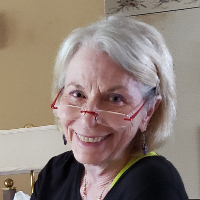
Dr. Carrie Willey
Compassionate, experienced care for complex challenges
- Credentials
- LPCC, LPC
- Experience
- 36 years
- Licensed in
- Texas, New Mexico
- Languages
- English
- Format
- Online sessions
About Carrie
Dr. Carrie Willey is a licensed counselor with 36 years of clinical experience. She holds LPCC and LPC credentials and practices from Texas.
She brings long experience in addiction treatment and trauma work, and she often uses structured, skills-based methods to support people facing emotional and behavioral challenges. Her style is direct and practical. She gives assignments to encourage active participation and uses clear tools to build new habits.
She draws on what already works for each person and helps reduce patterns that get in the way of daily life.
Background and approach
Dr. Willey trained in Cognitive Behavioral Therapy, and she also uses Dialectical Behavior Therapy techniques and Somatic Experiencing. These approaches inform how she addresses mood, anxiety, grief, and struggles with eating or substance use.
She adapts methods to meet the situation rather than sticking to a single recipe. Her background includes work at residential treatment centers and community health settings. That experience includes intensive trauma workshops and leadership roles in addiction and eating disorder programs.
She has provided services in culturally diverse and tribal settings through Indian Health Services. In sessions she blends problem-solving with attention to emotions and body sensations. She respects each person’s spiritual outlook and supports practical steps toward wellbeing.
Parents worried about a loved one will find a clinician who favors clear strategies and steady guidance.
How these approaches translate to online care
CBT, or Cognitive Behavioral Therapy, focuses on identifying unhelpful thoughts and testing them with concrete experiments. It helps with anxiety, depression, eating issues, and stress by teaching practical skills to change thinking and behavior.DBT, or Dialectical Behavior Therapy, emphasizes emotion regulation, distress tolerance, and clearer communication. It is useful for intense emotions, relationship conflicts, and patterns like impulsive or self-defeating behavior.
Somatic Experiencing pays attention to bodily sensations tied to trauma and stress. It helps people notice physical responses and slowly shift them, which can reduce overwhelm and improve daily functioning.
Choosing an approach is a collaborative process. The therapist will talk about goals and try methods together to see what fits best. Plans can change over time as needs and progress become clearer.
Online therapy offers flexible ways to work with these approaches. Video calls allow real-time coaching and demonstrations, phone sessions suit those who prefer audio only, and live chat or text messaging can reinforce skills between sessions. These options make it easier to fit focused, skills-based work into a busy family life or a tight schedule.
Cognitive Behavioral Therapy (CBT)
CBT looks at the link between what you think, how you feel, and what you do. You work on noticing unhelpful patterns and practising steadier responses. It suits online sessions well, because much of the work happens between appointments and can be talked through from anywhere.
Dialectical Behavior Therapy (DBT)
Concrete skills for riding out strong emotion, tolerating distress, and handling relationships without things escalating. The skills are practised in daily life, so between-session support by message or phone fits naturally.
Existential Therapy
Takes the larger questions seriously: meaning, choice, mortality, responsibility. Suited to periods when the difficulty is less a symptom than a sense that something has to change.
Frequently asked questions
What kinds of problems does she address?
What is her general therapeutic style?
How much clinical experience does she have?
What credentials and location apply to this clinician?
Which languages are supported for sessions?
What session formats are available?
How are costs and billing handled?
What steps are required to begin working with her?
Specialties and expertise
Top specialties
Also works with
- Abandonment
- Aging and geriatric issues
- Anger management
- Body image
- Career difficulties
- Caregiver issues and stress
- Codependency
- Communication problems
- Depression
- Dissociation
- Domestic violence
- Drug and alcohol addiction
- Eating and food-related issues
- Eating disorders
- Family conflicts
- Family of origin issues
- Forgiveness
- Guilt and shame
- Intimacy-related issues
- Midlife crisis
- Mood disorders
- Panic disorder and panic attacks
- Post-traumatic stress
- Process addiction (porn, exercise, gambling)
- Relationship issues
- Self esteem
- Sexual assault and abuse
- Social anxiety and phobia
- Stress, Anxiety
- Women's issues
- Workplace issues
Therapeutic approaches
- Experience
- 36 years
- Licensed
- Texas, New Mexico
- Languages
- English
Next step
Talk to Carrie
- Takes a few minutes
- Nothing to set up just to look
- Stop at any point