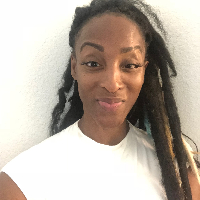
Carla Fort
Hopeful, practical therapy with an encouraging guide
- Credentials
- LPC
- Experience
- 14 years
- Licensed in
- Georgia, Texas, California
- Languages
- English
- Format
- Online sessions
About Carla
Carla Fort is a Licensed Professional Counselor with 14 years of experience helping people through life’s hard moments. She greets each person with warmth and a positive attitude. Her manner is energetic, compassionate, and encouraging.
She notices small steps and celebrates progress, sometimes with a light joke to ease tension. Carla emphasizes listening first. She centers sessions around the person in front of her and works at a pace that feels comfortable.
Background and approach
She highlights strengths and helps clients name practical next steps. That approach is meant to feel respectful and empowering rather than rushed. Her background includes a broad clinical practice across many concerns.
She has worked with stress, anxiety, depression, trauma and abuse, grief, addictions, bipolar issues, anger, and self-esteem challenges. She also addresses relationship matters, intimacy-related issues, parenting, career questions, and broader life purpose concerns. Carla draws from several therapy approaches to match a person’s needs.
She uses client-centered techniques and cognitive behavioral tools, and she also brings narrative and psychodynamic ideas into the work when useful. These methods help with patterns, thoughts, emotional reactions, and the stories people tell about themselves. Sessions are offered in English and are based in California.
Carla aims to create a practical, steady path forward by listening, celebrating small gains, and helping people try manageable changes that fit their lives.
Therapeutic approaches and how they work online
Client-centered therapy focuses on listening and creating a safe, nonjudgmental space. The therapist follows the client’s lead, reflects what is said, and helps people feel understood so they can find their own solutions. This approach often helps with self-esteem, grief, and making sense of difficult feelings.Cognitive Behavioral Therapy, or CBT, looks at practical links between thoughts, feelings, and behaviors. It uses clear steps and exercises to change unhelpful thinking and reduce anxiety, depression, and stress. CBT is useful when someone wants hands-on tools to try between sessions.
Finding the right approach is part of the work together. The therapist will discuss goals, preferences, and what feels most helpful, then use techniques from different methods as needed. This is a collaborative process, and adjustments are made over time to suit each person’s needs.
Online therapy offers flexible ways to meet. Video calls allow face-to-face conversation, phone sessions are good for shorter check-ins, and live chat or text-based messaging can fit into busy days or provide ongoing prompts between meetings. These options help people get consistent support while fitting therapy into real life routines.
Client-Centered Therapy
The direction comes from you rather than from a set programme. The therapist offers a warm, non-judgemental space to think out loud and work at your own pace. Online, this rests on the relationship rather than on being in the same room.
Cognitive Behavioral Therapy (CBT)
CBT looks at the link between what you think, how you feel, and what you do. You work on noticing unhelpful patterns and practising steadier responses. It suits online sessions well, because much of the work happens between appointments and can be talked through from anywhere.
Existential Therapy
Takes the larger questions seriously: meaning, choice, mortality, responsibility. Suited to periods when the difficulty is less a symptom than a sense that something has to change.
Frequently asked questions
What kinds of concerns does she address?
How would you describe her therapy style?
What is her professional background?
Which credentials and location are listed?
Which languages are supported and can she work with international clients?
What session formats are offered?
How are costs handled for sessions?
What do I need to do to begin?
Specialties and expertise
Top specialties
- Stress, Anxiety
- Trauma and abuse
- Anger management
Also works with
- Abandonment
- Addictions
- Bipolar disorder
- Career difficulties
- Codependency
- Communication problems
- Control issues
- Depression
- Family conflicts
- Grief
- Guilt and shame
- Intimacy-related issues
- Life purpose
- Parenting issues
- Relationship issues
- Self esteem
- Self-love
- Social anxiety and phobia
Therapeutic approaches
- Experience
- 14 years
- Licensed
- Georgia, Texas, California
- Languages
- English
Next step
Talk to Carla
- Takes a few minutes to look through
- Nothing to set up just to read
- Stop at any point