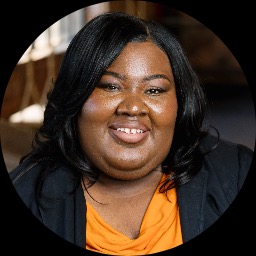
Ashley Craige
Family-focused counselor guiding practical change
- Credentials
- LPC
- Experience
- 10 years
- Licensed in
- Alabama
- Languages
- English
- Format
- Online sessions
About Ashley
Ashley Craige is a licensed professional counselor (LPC) practicing in Alabama with ten years of experience. She focuses on practical, straightforward support for people dealing with stress, anxiety, addictions, family challenges, grief, anger, relationship struggles, and low self-esteem. Ashley speaks plain language and works to make each session feel like a steady, constructive conversation.
Ashley trained at the University of Mobile, earning a master’s degree in marriage and family counseling after completing a bachelor’s in psychology.
Background and approach
She also holds certification in alcohol and drug counseling and has served as an approved clinical supervisor. That background includes work in outpatient, school-based, and residential settings, plus training other therapists in the field. In sessions she centers the person in front of her and treats them as the expert on their own life.
She draws on tools from client-centered therapy to listen and reflect, and uses cognitive behavioral techniques to identify unhelpful thoughts and build different habits. Mindfulness exercises and motivational interviewing may be added when clients want practical ways to manage urges or make lasting changes. Ashley emphasizes clear goals and small steps.
She helps people map what matters, try specific coping strategies, and adjust plans when needed. Her approach aims to make everyday life more manageable and to rebuild confidence over time. Parents and caregivers looking for family and parenting support will find Ashley able to discuss conflict, communication, and recovery-related concerns in an accessible way.
She invites people to take the next step when they are ready to work toward clearer routines and healthier relationships.
How these approaches work online
Ashley uses client-centered therapy to focus the conversation on the person’s priorities. This means sessions start with the client’s concerns and goals, and the therapist listens closely to reflect back what matters most. It is useful for sorting out family stress, relationship conflicts, and decisions that feel overwhelming.She also uses cognitive behavioral therapy, which looks at how thoughts, feelings, and actions connect. In online sessions this often means identifying a few unhelpful thoughts, trying new responses between visits, and reviewing what changed. CBT is helpful for anxiety, depression, and routines people want to improve.
Finding the right mix of approaches is a collaborative process. The therapist will talk with the client about their goals, try techniques, and adjust as needed. Together they decide which methods fit best for coping, communication, or changing addictive patterns.
Online therapy offers flexibility with video calls, phone sessions, live chat, or text-based messaging. That range makes it easier to schedule around work, school, or family demands and to continue care when life is busy. Licensed professionals can use these formats to deliver the same conversational work and practical exercises they use in person.
Client-Centered Therapy
The direction comes from you rather than from a set programme. The therapist offers a warm, non-judgemental space to think out loud and work at your own pace. Online, this rests on the relationship rather than on being in the same room.
Cognitive Behavioral Therapy (CBT)
CBT looks at the link between what you think, how you feel, and what you do. You work on noticing unhelpful patterns and practising steadier responses. It suits online sessions well, because much of the work happens between appointments and can be talked through from anywhere.
Mindfulness Therapy
Attention training: noticing thoughts and physical feelings as they arrive without being carried off by them. Much of it is practice you do yourself, so guidance over video or audio works much as it would in person.
Frequently asked questions
What kinds of concerns does she help with?
How would you describe her therapeutic style?
What is her background and experience?
What credentials and region are listed?
Which languages are supported for sessions?
What session formats are available?
How are costs and billing handled?
How do I begin working with her?
Specialties and expertise
Top specialties
- Stress, Anxiety
- Addictions
- Family conflicts
Also works with
- Anger management
- Career difficulties
- Compassion fatigue
- Coping with life changes
- Depression
- Drug and alcohol addiction
- Grief
- LGBT
- Relationship issues
- Self esteem
- Self-love
- Women's issues
- Workplace issues
Therapeutic approaches
- Experience
- 10 years
- Licensed
- Alabama
- Languages
- English
Next step
Talk to Ashley
- Takes a few minutes to look through
- Nothing to set up just to read
- Stop at any point