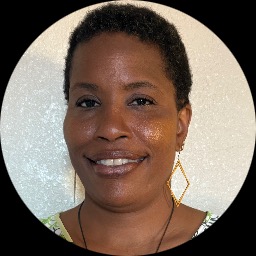
Tonga Bryant
Find steady, practical support for daily stressors
- Credentials
- LPC
- Experience
- 12 years
- Licensed in
- Arizona
- Languages
- English
- Format
- Online sessions
About Tonga
Tonga Bryant is a Licensed Professional Counselor (LPC) practicing in Arizona. She uses strength-based work that draws on cognitive behavioral and dialectical behavior approaches to help people make practical changes. Her style centers on building a steady working relationship so clients can set and reach clear goals.
Tonga speaks English and brings 12 years of licensed experience to her practice. Her sessions focus on concrete skills and small steps. She often helps clients restore coping routines and try new ways of handling stress.
Background and approach
Tonga blends talk with skill practice so progress is measurable and understandable. She addresses a broad range of concerns including stress, anxiety, anger, depression, grief around life changes, relationship and family challenges, trauma and abuse, sleep problems, parenting questions, and self-esteem. Additional areas that come up in her work are caregiver stress, guilt and shame, isolation and loneliness, and building self-love.
Tonga integrates Client-Centered Therapy with Cognitive Behavioral Therapy (CBT) and Dialectical Behavior Therapy (DBT) techniques. She also uses mindfulness practices and motivational interviewing when they fit a person’s goals. The aim is practical support that aligns with each client’s needs.
Her approach is straightforward and action-oriented. People who want clear steps and a collaborative plan may find her way of working helpful. If someone is looking to rebuild coping strategies or develop new ones, she invites them to reach out and begin the process.
Approaches that guide online sessions
Client-Centered Therapy emphasizes listening and building a trusting working relationship so clients feel heard and respected. It focuses on the person’s strengths and on shaping sessions around what they say matters most.Cognitive Behavioral Therapy, or CBT, teaches practical skills to change thoughts and behaviors that keep problems going. It is often used for anxiety, depression, sleep issues, and stress by breaking concerns into manageable steps and testing new habits.
Dialectical Behavior Therapy, DBT, adds tools for handling strong emotions and improving coping skills. It includes techniques for regulating feelings, tolerating distress, and improving interpersonal effectiveness. These skills can be helpful when stress and intense reactions make daily life harder.
Choosing the right approach is a collaborative process. The therapist will work with each person to identify goals, try different techniques, and adapt methods based on what helps most. That means plans are shaped around needs, preferences, and progress rather than a fixed protocol.
Online sessions are offered via video calls, phone, live chat, or text-based messaging to make attending easier. This flexibility helps fit work, caregiving, or other responsibilities into therapy. Remote formats also let people use exercises and skill practice from home while keeping the work focused and goal-oriented.
Client-Centered Therapy
The direction comes from you rather than from a set programme. The therapist offers a warm, non-judgemental space to think out loud and work at your own pace. Online, this rests on the relationship rather than on being in the same room.
Cognitive Behavioral Therapy (CBT)
CBT looks at the link between what you think, how you feel, and what you do. You work on noticing unhelpful patterns and practising steadier responses. It suits online sessions well, because much of the work happens between appointments and can be talked through from anywhere.
Dialectical Behavior Therapy (DBT)
Concrete skills for riding out strong emotion, tolerating distress, and handling relationships without things escalating. The skills are practised in daily life, so between-session support by message or phone fits naturally.
Frequently asked questions
What kinds of problems does she address?
How would you describe her therapeutic style?
What is her professional background?
Where is Tonga licensed and practicing?
Which languages are used in sessions?
What session formats are available?
How are costs and billing handled?
What steps are involved in starting therapy?
Specialties and expertise
Top specialties
- Stress, Anxiety
- Anger management
- Depression
Also works with
- ADHD
- Bipolar disorder
- Career difficulties
- Caregiver issues and stress
- Coaching
- Compassion fatigue
- Coping with life changes
- Family conflicts
- Guilt and shame
- Isolation / loneliness
- LGBT
- Parenting issues
- Relationship issues
- Self esteem
- Self-love
- Sleeping disorders
- Trauma and abuse
Therapeutic approaches
- Experience
- 12 years
- Licensed
- Arizona
- Languages
- English
Next step
Talk to Tonga
- Takes a few minutes to look through
- Nothing to set up just to read
- Stop at any point