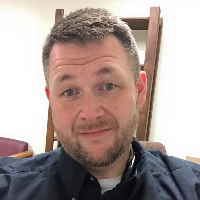
Timothy Rowell
Helping parents find practical steps forward
- Credentials
- LCSW
- Experience
- 13 years
- Licensed in
- Florida
- Languages
- English
- Format
- Online sessions
About Timothy
Timothy Rowell is a licensed clinical social worker who focuses on family and parenting concerns along with a broad range of life challenges. He brings 13 years of clinical experience and works to create a calm, nonjudgmental space where parents can talk through their struggles. Timothy aims to make conversations straightforward and practical so families can find workable steps forward.
He uses common-sense tools from cognitive behavioral therapy, acceptance and commitment therapy, and dialectical behavior therapy.
Background and approach
Sessions combine gentle reflection with concrete skills practice. Timothy adapts what he does to what each person or family actually needs rather than following a rigid plan. People often come to him for anxiety, depression, trauma, and issues tied to addiction or grief.
He also supports those coping with anger, self-esteem problems, infidelity, jealousy, and career transitions. He has experience addressing veteran and armed forces issues and personality-related struggles. Timothy is licensed as a clinical social worker - LCSW - and practices in Florida.
He prioritizes clear communication and practical goals, and he helps people break large problems into manageable steps. He believes change takes effort but that steady work together can lead to meaningful improvement. When meeting clients he focuses on honesty and respect.
He encourages open discussion so progress can continue. Prospective clients should expect plain talk, concrete strategies, and a steady, supportive approach.
Online approaches that fit family and parenting needs
Acceptance and Commitment Therapy, or ACT, helps people notice stressful thoughts without getting stuck in them and then take actions that match their values. It can be useful for anxiety, stress, grief, and life transitions because it focuses on what matters most and small steps toward that. Cognitive Behavioral Therapy, or CBT, looks at the links between thoughts, feelings, and actions and teaches specific skills to reduce anxiety and improve mood. It often includes practical homework and simple coping tools for daily life. Emotionally-Focused Therapy focuses on feelings and patterns in close relationships, helping people name emotions and change how they respond to each other in tense moments.Finding the right approach is part of the work. Timothy will talk with each person about their goals, preferences, and needs and then suggest what to try first. That choice is collaborative and can change as progress is made or different concerns emerge.
Online sessions are offered by video calls, phone sessions, live chat, or text-based messaging. These formats let people fit therapy around school runs, work, and busy family routines and make it easier to keep up with regular sessions. Licensed professionals can use these options to teach skills, review progress, and adjust plans without requiring travel or extra time away from home.
Acceptance and Commitment Therapy (ACT)
Less about arguing with difficult thoughts, more about loosening their grip and acting on what matters to you anyway. Values and committed action carry the work, which suits conversation at a distance.
Client-Centered Therapy
The direction comes from you rather than from a set programme. The therapist offers a warm, non-judgemental space to think out loud and work at your own pace. Online, this rests on the relationship rather than on being in the same room.
Cognitive Behavioral Therapy (CBT)
CBT looks at the link between what you think, how you feel, and what you do. You work on noticing unhelpful patterns and practising steadier responses. It suits online sessions well, because much of the work happens between appointments and can be talked through from anywhere.
Frequently asked questions
What concerns does Timothy address?
What is his therapeutic style like?
How much experience does he have?
What are his credentials and where does he practice?
Which languages are supported for sessions?
Can he work with clients outside the country?
What session formats are available?
How are fees handled and how do I start?
Specialties and expertise
Top specialties
Also works with
- Anger management
- Bipolar disorder
- Career difficulties
- Coaching
- Compassion fatigue
- Coping with life changes
- Depression
- Family conflicts
- Grief
- Infidelity
- Jealousy
- Parenting issues
- Personality disorders
- Phobias
- Relationship issues
- Trauma and abuse
- Veteran and Armed Forces Issues
Therapeutic approaches
- Experience
- 13 years
- Licensed
- Florida
- Languages
- English
Next step
Talk to Timothy
- Takes a few minutes
- Nothing to set up just to look
- Stop at any point