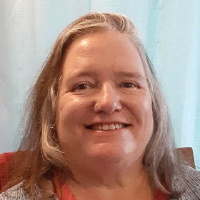
Sharon Hollandsworth
Compassionate, practical skills for everyday parenting challenges
- Credentials
- LCSW
- Experience
- 40 years
- Licensed in
- North Carolina
- Languages
- English
- Format
- Online sessions
About Sharon
Sharon Hollandsworth is a Licensed Clinical Social Worker with four decades of experience in community mental health. She practices in North Carolina and focuses on practical, skills-based work to help people manage stress, anxiety, depression, grief, and other life challenges. Sharon begins by listening carefully to what someone is struggling with and what they want from counseling.
Her style is warm and validating. Sessions start with an assessment and continue as a collaborative process.
Background and approach
Sharon uses client-centered work combined with problem solving and skills training to help people cope in daily life. She introduces concrete skills for relaxation, focus, and handling strong emotions. Those tools aim to reduce anxiety and emotional upheaval and to build better interpersonal responses.
Sharon also helps clients practice problem-solving so they can make clearer choices when plans are needed. Her background includes work in community mental health and community health centers in the Raleigh-Durham area of North Carolina. She trained first in music, then studied psychology, and earned a Master of Social Work in Treatment from the University of Tennessee.
Sharon draws on long experience with both individual and group therapy. People who meet with her find a steady, experienced clinician who emphasizes practical skills and steady support. She encourages pacing the work to each person’s needs and continues assessing goals throughout therapy.
When someone is ready to begin exploring, she helps them map a workable path forward.
Therapeutic approaches and how they work online
Client-centered therapy focuses on listening and building understanding. The therapist follows the person’s lead, helps clarify what feels difficult, and supports the goals the person sets. This approach is useful for people who want a steady, empathic space to explore concerns.Cognitive Behavioral Therapy, or CBT, looks at how thoughts, feelings, and actions connect. It teaches practical steps to change unhelpful thinking and routines, which can reduce anxiety, low mood, and sleep or eating problems. Dialectical Behavior Therapy, or DBT, adds skills for emotion regulation, distress tolerance, and better interpersonal interactions. Those skills are helpful when emotions feel overwhelming or when relationships need clearer boundaries.
Choosing the right approach is a collaborative process. The therapist will review symptoms, goals, and preferences and will suggest approaches that fit. That plan can change over time as progress and needs evolve.
Online sessions make it easier to fit therapy into busy lives. Video calls, phone sessions, live chat, and text-based messaging let people choose what works best for them on a given day. These options offer flexibility for scheduling, allow skills practice between sessions, and can make ongoing support more accessible for those balancing work, parenting, or other commitments.
Client-Centered Therapy
The direction comes from you rather than from a set programme. The therapist offers a warm, non-judgemental space to think out loud and work at your own pace. Online, this rests on the relationship rather than on being in the same room.
Cognitive Behavioral Therapy (CBT)
CBT looks at the link between what you think, how you feel, and what you do. You work on noticing unhelpful patterns and practising steadier responses. It suits online sessions well, because much of the work happens between appointments and can be talked through from anywhere.
Dialectical Behavior Therapy (DBT)
Concrete skills for riding out strong emotion, tolerating distress, and handling relationships without things escalating. The skills are practised in daily life, so between-session support by message or phone fits naturally.
Frequently asked questions
What concerns does Sharon help with?
How would you describe her therapy style?
What kind of clinical background does she have?
What are her credentials and where is she based?
Which languages are sessions offered in?
Can she work with international clients?
What session formats are available?
How do I begin working with her?
Specialties and expertise
Top specialties
- Stress, Anxiety
- Trauma and abuse
- Anger management
Also works with
- Addictions
- Bipolar disorder
- Career difficulties
- Coping with life changes
- Depression
- Eating disorders
- Family conflicts
- Grief
- Intimacy-related issues
- LGBT
- Parenting issues
- Relationship issues
- Self esteem
- Sleeping disorders
Therapeutic approaches
- Experience
- 40 years
- Licensed
- North Carolina
- Languages
- English
Next step
Talk to Sharon
- Takes a few minutes
- Nothing to set up just to look
- Stop at any point