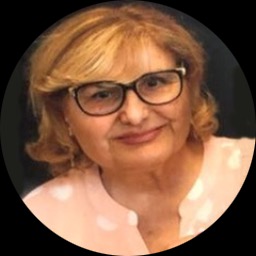
Shahla Raboubi
Understanding, practical therapy for life challenges
- Credentials
- LMFT
- Experience
- 29 years
- Licensed in
- California
- Languages
- English, Persian
- Format
- Online sessions
About Shahla
Shahla Raboubi is a licensed Marriage and Family Therapist (LMFT) based in California with 29 years of clinical experience. She uses practical, evidence-informed methods to help people facing stress, anxiety, depression, addiction, and life transitions. Sessions are grounded in clear conversation and hands-on tools rather than jargon.
She speaks English and Persian and brings a calm, steady presence to appointments. Her work adapts to each person’s situation. Shahla draws from cognitive behavioral therapy to change unhelpful thinking and from attachment-based ideas to look at how relationships shape feelings.
Background and approach
She also uses emotionally-focused and existential approaches when exploring deeper meanings and emotional patterns. Shahla’s background includes long experience both in community mental health and independent practice. Her clinical training includes a Master of Arts in Marriage and Family Therapy and other graduate study in psychology, and she holds a California LMFT license (LMFT 46891).
That experience informs practical steps she offers in sessions. In therapy she aims to help clients build clearer communication, stronger coping skills, and better emotional regulation. Common topics she addresses include parenting, relationship strains, grief, trauma-related concerns, anger, self-esteem, and career stress.
She also works with issues such as ADHD, blended family challenges, and aging-related matters. Shahla encourages people to take small forward steps. She explains options, listens to each person’s story, and helps set realistic goals.
Beginning therapy often starts with straightforward talks about current struggles and what a client hopes to change.
Therapeutic approaches for online family and parenting concerns
Attachment-based work focuses on how early and current relationships affect feelings and expectations. It helps people notice patterns in close relationships and practice more supported ways of connecting, which can be useful for parenting and relationship concerns.Cognitive Behavioral Therapy, or CBT, looks at the links between thoughts, feelings, and actions. It teaches simple, practical tools to test unhelpful thoughts and change behaviors that keep problems stuck, often helping with anxiety, depression, and stress.
Emotionally-Focused Therapy helps people understand and express core emotions in relationships. It supports clearer emotional communication and can ease chronic conflict or distance between partners or family members.
Finding the right approach is part of the work. The therapist will discuss goals and try methods that fit each person’s needs and preferences. This is a collaborative process where techniques are adjusted based on what helps most.
Online sessions offer practical flexibility. Video calls allow face-to-face conversation when meeting in person is difficult. Phone sessions, live chat, and text-based messaging give options for short check-ins, emotional support between appointments, or when travel and schedules are barriers. These formats make it easier to keep continuity and try tools in real-life situations.
Attachment-Based Therapy
Looks at how early bonds shaped what you expect from closeness, and how that plays out now with a partner, a parent, or your own children.
Client-Centered Therapy
The direction comes from you rather than from a set programme. The therapist offers a warm, non-judgemental space to think out loud and work at your own pace. Online, this rests on the relationship rather than on being in the same room.
Cognitive Behavioral Therapy (CBT)
CBT looks at the link between what you think, how you feel, and what you do. You work on noticing unhelpful patterns and practising steadier responses. It suits online sessions well, because much of the work happens between appointments and can be talked through from anywhere.
Frequently asked questions
What concerns does she address?
What is Shahla's therapeutic style?
How long has she practiced?
What are her credentials and where is she based?
Which languages are supported in sessions?
Can international clients work with her?
What formats are available for sessions?
How are fees and getting started handled?
Specialties and expertise
Top specialties
- Stress, Anxiety
- Family conflicts
- Trauma and abuse
Also works with
- Abandonment
- Addictions
- ADHD
- Aging and geriatric issues
- Anger management
- Attachment issues
- Bipolar disorder
- Blended family issues
- Career difficulties
- Coaching
- Communication problems
- Control issues
- Coping with life changes
- Coping with natural or human-caused disaster
- Depression
- Grief
- Intimacy-related issues
- Parenting issues
- Relationship issues
- Self esteem
- Self-love
- Social anxiety and phobia
Therapeutic approaches
- Experience
- 29 years
- Licensed
- California
- Languages
- English, Persian
Next step
Talk to Shahla
- Takes a few minutes
- Nothing to set up just to look
- Stop at any point