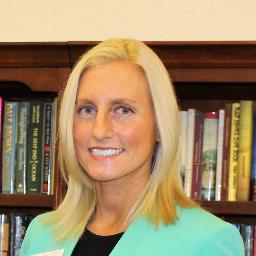
Sarah Wright
Compassionate, practical therapy for life’s challenges
- Credentials
- LCSW
- Experience
- 3 years
- Licensed in
- Florida
- Languages
- English
- Format
- Online sessions
About Sarah
Sarah Wright is a licensed clinical social worker (LCSW) practicing in Florida. She uses person-centered methods to help people navigate stress, anxiety, depression, addiction, and a range of mood and trauma-related concerns. Sarah blends practical skills training with talking and listening to meet each person where they are.
She can include spirituality or faith in sessions when a client requests that approach. Her work draws from several evidence-based methods including Cognitive Behavioral Therapy (CBT), Dialectical Behavior Therapy (DBT), Acceptance and Commitment Therapy (ACT), Motivational Interviewing, and Solution-Focused Therapy.
Background and approach
She focuses on building coping skills, managing difficult emotions, and addressing patterns that keep people stuck. Sessions often include concrete tools for daily life such as emotion regulation, thought tracking, and short-term goal setting. Sarah has three years of experience providing therapy and coaching to people facing issues like bipolar disorder, grief, eating and sleeping difficulties, ADHD, and compassion fatigue.
She also addresses relationship concerns, fertility-related distress, first responder issues, and self-harm risk when relevant. Her background includes work with trauma and post-traumatic stress. Her practice offers flexible online formats including video calls, phone sessions, live chat, and text-based messaging.
Sarah works collaboratively to tailor an approach to each person’s needs and life circumstances. Parents and caregivers looking for family and parenting resources may find her practical style helpful. Sarah presents a straightforward, supportive way of working that emphasizes small steps and measurable progress.
She guides people through change with clear techniques and steady support.
Therapeutic approaches for online care
Acceptance and Commitment Therapy (ACT) helps people clarify what matters to them and take small steps toward those values, even when difficult thoughts or feelings are present. ACT can be useful for stress, anxiety, and struggles with motivation. Cognitive Behavioral Therapy (CBT) focuses on the link between thoughts, feelings, and behaviors and teaches concrete exercises like thought records and behavioral experiments to reduce distress and change unhelpful patterns. Dialectical Behavior Therapy (DBT) offers practical skills in emotion regulation, distress tolerance, and interpersonal effectiveness that help when emotions feel overwhelming.Choosing the right approach is part of the process. Sarah will work collaboratively to identify which methods fit a person’s goals, needs, and daily life. She often blends elements of these therapies so the work matches what a person wants to change and how they prefer to work.
Online sessions are offered by video call, phone, live chat, or text-based messaging to make therapy more flexible. These options let people schedule support around work, parenting, or other commitments. The variety of formats also allows for brief check-ins, ongoing skills practice, or traditional longer sessions depending on what the person finds most helpful.
Acceptance and Commitment Therapy (ACT)
Less about arguing with difficult thoughts, more about loosening their grip and acting on what matters to you anyway. Values and committed action carry the work, which suits conversation at a distance.
Cognitive Behavioral Therapy (CBT)
CBT looks at the link between what you think, how you feel, and what you do. You work on noticing unhelpful patterns and practising steadier responses. It suits online sessions well, because much of the work happens between appointments and can be talked through from anywhere.
Dialectical Behavior Therapy (DBT)
Concrete skills for riding out strong emotion, tolerating distress, and handling relationships without things escalating. The skills are practised in daily life, so between-session support by message or phone fits naturally.
Frequently asked questions
What kinds of concerns does she address?
How would you describe her therapy style?
What is her professional background?
Where is she licensed to practice?
Which languages are supported for sessions?
In what formats are sessions available?
How are sessions paid for?
What is the first step to begin therapy?
Specialties and expertise
Top specialties
Also works with
- Addictions
- ADHD
- Anger management
- Bipolar disorder
- Career difficulties
- Coaching
- Compassion fatigue
- Coping with life changes
- Depression
- Eating disorders
- Family conflicts
- Fertility issues
- First responder issues
- Grief
- Guilt and shame
- Intimacy-related issues
- Life purpose
- Mood disorders
- Obsessions, compulsions, and OCD
- Personality disorders
- Post-traumatic stress
- Relationship issues
- Self-harm
- Sleeping disorders
Therapeutic approaches
- Experience
- 3 years
- Licensed
- Florida
- Languages
- English
Next step
Talk to Sarah
- Takes a few minutes
- Nothing to set up just to look
- Stop at any point