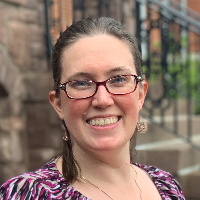
Rebecca Wagner
Supportive therapist for family and parenting
- Credentials
- LMHC
- Experience
- 19 years
- Licensed in
- New York
- Languages
- English
- Format
- Online sessions
About Rebecca
Rebecca Wagner is a Licensed Mental Health Counselor (LMHC) based in New York who focuses on family and parenting concerns among other issues. She uses a straightforward, nonjudgmental style and helps people who are trying to manage stress, anxiety, depression, or parenting challenges. She explains tools clearly and works to make sessions practical for daily life.
Rebecca favors a client-centered approach. She treats each person as the expert on their own life and offers tools and skills tailored to their goals.
Background and approach
Sessions often include concrete strategies for coping, communication, and managing emotions. Her training includes Dialectical Behavior Therapy - DBT - and Trauma-Focused Cognitive Behavioral Therapy. These approaches support people dealing with intense emotions, self-harm urges, trauma, panic, or impulsivity.
She also uses motivational interviewing and solution-focused techniques to set clear, achievable goals. Rebecca has worked in mental health for 19 years and has experience with a wide range of concerns such as ADHD, bipolar mood issues, grief, sexual assault and abuse, and family problems. She pays attention to safety, relapse triggers, and practical steps families can take between sessions.
Telehealth is part of her practice because it makes check-ins and skills coaching easier. She encourages scheduling that fits each family’s needs and prefers clients choose appointment times that balance their responsibilities. The goal is steady progress through clear steps and regular follow-up.
Practical therapy approaches for online family support
Rebecca uses Client-Centered Therapy to meet people where they are. That means sessions begin by hearing each person’s priorities and building goals from there. This approach helps when parents or family members need a space to sort options and figure out next steps.She also draws on Cognitive Behavioral Therapy - CBT - to break problems into manageable parts. CBT helps identify unhelpful thoughts and change small behaviors that make daily life easier. Dialectical Behavior Therapy - DBT - is used for intense emotions and self-harm urges; it focuses on skills for regulating feelings, tolerating distress, and improving relationships.
Finding the right approach is a team effort. Rebecca will talk with clients about what feels useful and try different tools until something fits. She emphasizes collaboration so goals, preferences, and family realities guide the work.
Online therapy offers flexible ways to connect: video calls for face-to-face work, phone sessions when video isn’t possible, and live chat or text for brief check-ins and skills coaching. These options make it easier to get short, frequent contact and to practice skills between sessions, which can be especially helpful for busy families and parenting concerns.
Client-Centered Therapy
The direction comes from you rather than from a set programme. The therapist offers a warm, non-judgemental space to think out loud and work at your own pace. Online, this rests on the relationship rather than on being in the same room.
Cognitive Behavioral Therapy (CBT)
CBT looks at the link between what you think, how you feel, and what you do. You work on noticing unhelpful patterns and practising steadier responses. It suits online sessions well, because much of the work happens between appointments and can be talked through from anywhere.
Dialectical Behavior Therapy (DBT)
Concrete skills for riding out strong emotion, tolerating distress, and handling relationships without things escalating. The skills are practised in daily life, so between-session support by message or phone fits naturally.
Frequently asked questions
What kinds of concerns does Rebecca address?
What is her general therapy style?
How long has she been practicing?
What are her credentials and where is she located?
In which languages are sessions offered?
What session formats does she use?
How are fees handled?
How do I begin working with her?
Specialties and expertise
Top specialties
- Trauma and abuse
- Parenting issues
- Self esteem
Also works with
- ADHD
- Adoption and foster care
- Anger management
- Autism and Asperger Syndrome
- Bipolar disorder
- Communication problems
- Coping with life changes
- Depression
- Family conflicts
- Family problems
- Grief
- Impulsivity
- LGBT
- Panic disorder and panic attacks
- Post-traumatic stress
- Relationship issues
- Self-harm
- Sexual assault and abuse
- Stress, Anxiety
Therapeutic approaches
- Experience
- 19 years
- Licensed
- New York
- Languages
- English
Next step
Talk to Rebecca
- Takes a few minutes
- Nothing to set up just to look
- Stop at any point