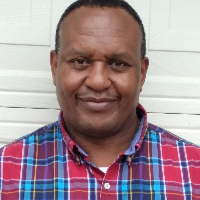
Peter Mburu
Practical skills for everyday family and parenting concerns
- Credentials
- LPC
- Experience
- 7 years
- Licensed in
- Texas
- Languages
- English, Kikuyu, Swahili
- Format
- Online sessions
About Peter
Peter Mburu is a licensed professional counselor (LPC) based in Texas who focuses on common struggles like stress, anxiety, depression, sleep problems, and addiction. He also addresses parenting worries, grief, trauma and abuse, anger, self-esteem, career stress, and mood concerns such as bipolar disorder. Peter speaks English, Kikuyu, and Swahili, and accepts international clients.
He uses practical, skills-based work in sessions. That can mean learning ways to shift uncomfortable thoughts, practicing emotion regulation skills, or setting small goals that build confidence.
Background and approach
Sessions are conversational and goal-oriented, with simple tools to try between meetings. Peter brings seven years of counseling experience and a background working with people facing chemical dependence and early onset psychosis. He has worked with international students, refugees, and people coping with severe medical conditions.
He also has seminary training and experience in Christian counseling. In Texas he holds the LPC credential and has applied evidence-based methods such as cognitive behavioral therapy, dialectical behavior therapy, motivational interviewing, acceptance and commitment therapy, and solution-focused therapy. He aims to help clients build coping skills that support better daily functioning and improved relationships.
His approach is straightforward and collaborative. He helps people set clear, manageable steps and adjusts methods to match each person’s needs. Sessions may include talk, coaching on skills, and practical homework to practice between meetings.
Evidence-based approaches for online care
Acceptance and Commitment Therapy (ACT) helps people notice painful thoughts and feelings without getting stuck in them. It focuses on clarifying personal values and taking small steps toward a meaningful life, which can help with anxiety, depression, and coping with change. Cognitive Behavioral Therapy (CBT) teaches practical tools to identify and shift unhelpful thought patterns and behaviors. It is useful for anxiety, sleep problems, mood issues, and many everyday stresses. Dialectical Behavior Therapy (DBT) offers skills for managing intense emotions, improving distress tolerance, and strengthening relationships, which can be helpful for anger, emotional ups and downs, and stress.Finding the right approach is a team effort. The therapist will talk with each person about their goals, preferences, and what has or hasn’t worked before. Together they decide which methods to try first and adjust strategies over time based on progress and feedback.
Online therapy with video calls, phone sessions, live chat, or text-based messaging offers flexibility for busy schedules and different comfort levels. These formats let people access therapy from home or while traveling, maintain continuity of care across locations, and use shorter check-ins or longer sessions as needed. The focus remains on practical skills and steady progress, delivered in ways that fit a client’s life.
Acceptance and Commitment Therapy (ACT)
Less about arguing with difficult thoughts, more about loosening their grip and acting on what matters to you anyway. Values and committed action carry the work, which suits conversation at a distance.
Cognitive Behavioral Therapy (CBT)
CBT looks at the link between what you think, how you feel, and what you do. You work on noticing unhelpful patterns and practising steadier responses. It suits online sessions well, because much of the work happens between appointments and can be talked through from anywhere.
Dialectical Behavior Therapy (DBT)
Concrete skills for riding out strong emotion, tolerating distress, and handling relationships without things escalating. The skills are practised in daily life, so between-session support by message or phone fits naturally.
Frequently asked questions
What kinds of problems does he help with?
What is his general therapy style?
What background and experience does he have?
What credential and region is he licensed in?
Which languages are available for sessions?
What session formats does he offer?
How are fees and payment handled?
How do I begin working with him?
Specialties and expertise
Top specialties
- Stress, Anxiety
- Addictions
- Relationship issues
Also works with
- Anger management
- Bipolar disorder
- Career difficulties
- Compassion fatigue
- Coping with life changes
- Depression
- Drug and alcohol addiction
- Family conflicts
- Family problems
- Grief
- Guilt and shame
- Immigration issues
- LGBT
- Men's issues
- Mood disorders
- Multicultural concerns
- Panic disorder and panic attacks
- Paranoia
- Parenting issues
- Post-traumatic stress
- Self esteem
- Sleeping disorders
- Social anxiety and phobia
- Trauma and abuse
- Young adult issues
Therapeutic approaches
- Experience
- 7 years
- Licensed
- Texas
- Languages
- English, Kikuyu, Swahili
Next step
Talk to Peter
- Takes a few minutes
- Nothing to set up just to look
- Stop at any point