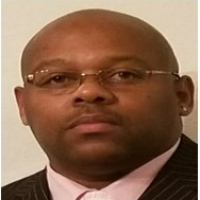
Paul Clark
Hopeful, practical mental health support
- Credentials
- LICSW, LCSW
- Experience
- 10 years
- Licensed in
- Virginia, District of Columbia, New Jersey
- Languages
- English
- Format
- Online sessions
About Paul
Paul Clark is a Licensed Independent Clinical Social Worker (LICSW) and a Licensed Clinical Social Worker (LCSW) based in Virginia. He brings ten years of clinical experience to practical concerns like stress, anxiety, depression, and coping with life changes. He writes and speaks plainly, offering straightforward, respectful care aimed at helping people manage everyday struggles.
He works with issues related to relationships, family matters, self-esteem, addictions, grief, anger, and career questions.
Background and approach
Paul’s sessions are conversational and direct. He focuses on clear goals and realistic steps. He listens, asks practical questions, and helps people try new ways of handling problems.
He uses approaches that emphasize values, present-moment choices, and changing unhelpful thinking patterns. He trained at Norfolk State University School of Social Work and holds the DC LICSW LC200001647 and the Arizona LCSW LCSW-21787. His background includes a long career of service and community ties, and he draws on that experience to inform his practice.
He tailors the work to each person rather than using a one-size-fits-all plan. Sessions may blend skills practice, exploration of patterns, and attention to relationships and communication. He also works with topics such as forgiveness, guilt and shame, and issues related to veteran and armed forces experiences.
The emphasis is on practical progress and building on strengths. People who reach out can expect a candid, compassionate therapist who aims to help them move toward their goals. His style is warm, interactive, and goal-oriented while remaining respectful of each person’s background and values.
Therapeutic approaches and how they work online
Acceptance and Commitment Therapy, or ACT, helps people clarify what matters to them and take small actions that reflect those values. It’s useful for anxiety, depression, and life changes where values and choices feel unclear. Cognitive Behavioral Therapy, or CBT, focuses on spotting and changing unhelpful thoughts and behaviors with concrete exercises and practice between sessions. It often helps with anxiety, depression, and anger by teaching skills to manage symptoms. Emotionally-Focused Therapy, or EFT, centers on how feelings and attachment shape relationships, and it can help people improve communication and emotional connection.Finding the right approach is part of the work. Paul will review what you want to change and try methods that match your goals and preferences. He works collaboratively, adjusting techniques as you learn what helps and what doesn’t.
Online therapy with him includes video calls, phone sessions, live chat, and text-based messaging. These formats make it easier to fit sessions into busy lives and to follow up between meetings. The range of options supports flexible scheduling, quicker check-ins, and continued momentum on goals no matter where someone is located.
Acceptance and Commitment Therapy (ACT)
Less about arguing with difficult thoughts, more about loosening their grip and acting on what matters to you anyway. Values and committed action carry the work, which suits conversation at a distance.
Client-Centered Therapy
The direction comes from you rather than from a set programme. The therapist offers a warm, non-judgemental space to think out loud and work at your own pace. Online, this rests on the relationship rather than on being in the same room.
Cognitive Behavioral Therapy (CBT)
CBT looks at the link between what you think, how you feel, and what you do. You work on noticing unhelpful patterns and practising steadier responses. It suits online sessions well, because much of the work happens between appointments and can be talked through from anywhere.
Frequently asked questions
What kinds of concerns does Paul address?
What is his therapeutic style like?
How long has he been practicing?
What are his credentials and where is he located?
Which languages are supported for sessions?
What session formats are available?
How does payment and cost work?
How do I begin working with him?
Specialties and expertise
Top specialties
- Stress, Anxiety
- Relationship issues
- Family conflicts
Also works with
- Addictions
- Anger management
- Career difficulties
- Coaching
- Communication problems
- Coping with life changes
- Depression
- Forgiveness
- Grief
- Guilt and shame
- Self esteem
- Self-harm
- Veteran and Armed Forces Issues
Therapeutic approaches
- Experience
- 10 years
- Licensed
- Virginia, District of Columbia, New Jersey, Arizona
- Languages
- English
Next step
Talk to Paul
- Takes a few minutes
- Nothing to set up just to look
- Stop at any point