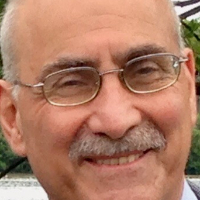
Michael Ruberton
Seasoned LCSW focused on practical family help
- Credentials
- LCSW
- Experience
- 40 years
- Licensed in
- Missouri
- Languages
- English
- Format
- Online sessions
About Michael
Michael Ruberton is a licensed clinical social worker with more than 40 years of experience. He centers his practice on creating a warm, supportive environment where the person leads the conversation. Sessions focus on making practical changes that ease stress, anxiety, depression, mood swings, and other concerns that affect daily life and family dynamics.
He has worked in a variety of settings, including offices, homes, and institutions, helping people deal with trauma and abuse, grief, addictions, and challenges with self-esteem.
Background and approach
He combines direct, problem-solving techniques with a respect for each person’s values and choices. This approach helps clients pick clear goals and take manageable steps toward them. Background and approach: Michael uses client-centered methods alongside cognitive behavioral therapy and motivational interviewing.
He often draws on solution-focused ideas to help people identify what’s working and build on it. He values the relationship first and adapts methods to fit the person rather than forcing a rigid plan. He has long experience addressing family-related issues, including family of origin concerns and patterns that repeat across generations.
He also has experience with aging and geriatric issues, men’s concerns, and a range of mood and behavioral problems. Michael works in Missouri and conducts sessions in English. His style is straightforward and respectful.
He helps people set goals, practice new skills, and make changes that matter to their everyday lives.
Online approaches that fit family and life challenges
Client-centered therapy focuses on listening and creating a respectful space where people direct the work. It helps when someone needs support to name goals and make decisions without feeling judged.Cognitive behavioral therapy, or CBT, looks at how thoughts, feelings, and actions connect. It teaches practical skills for managing anxiety, depression, anger, and mood problems through small, doable changes.
Motivational interviewing helps people find their own reasons to change. It is useful for addictions, ambivalence about steps forward, and when someone wants help choosing goals that matter to them.
Finding the right approach is part of the process. Michael will talk with the person about their needs, goals, and preferences and then suggest which methods to try. The plan can shift as progress is made and priorities change, so the work stays practical and collaborative.
Online sessions offer flexibility for busy family lives. Video and phone calls let people have face-to-face conversations from home. Live chat and text messaging provide options for shorter check-ins and ongoing support between longer sessions. These formats make it easier to fit therapy into daily routines while still working on meaningful change.
Client-Centered Therapy
The direction comes from you rather than from a set programme. The therapist offers a warm, non-judgemental space to think out loud and work at your own pace. Online, this rests on the relationship rather than on being in the same room.
Cognitive Behavioral Therapy (CBT)
CBT looks at the link between what you think, how you feel, and what you do. You work on noticing unhelpful patterns and practising steadier responses. It suits online sessions well, because much of the work happens between appointments and can be talked through from anywhere.
Existential Therapy
Takes the larger questions seriously: meaning, choice, mortality, responsibility. Suited to periods when the difficulty is less a symptom than a sense that something has to change.
Frequently asked questions
What problems does he commonly address?
What is his general therapy style?
How much professional experience does he have?
What credentials and location should I know?
Which languages are sessions offered in?
What session formats are available?
How does cost and billing work?
What are the steps to begin therapy?
Specialties and expertise
Top specialties
- Stress, Anxiety
- Trauma and abuse
- Anger management
Also works with
- Addictions
- ADHD
- Aging and geriatric issues
- Antisocial personality
- Bipolar disorder
- Codependency
- Coping with life changes
- Depression
- Family conflicts
- Family of origin issues
- Family problems
- Grief
- Intimacy-related issues
- Men's issues
- Mood disorders
- Relationship issues
- Self esteem
- Self-harm
- Sexual assault and abuse
Therapeutic approaches
- Experience
- 40 years
- Licensed
- Missouri
- Languages
- English
Next step
Talk to Michael
- Takes a few minutes
- Nothing to set up just to look
- Stop at any point