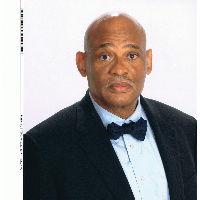
Dr. Michael Mitchell
Family-minded therapist focused on practical change
- Credentials
- LMFT
- Experience
- 3 years
- Licensed in
- Georgia
- Languages
- English
- Format
- Online sessions
About Michael
Dr. Michael Mitchell offers short, direct support for people feeling stuck by stress, anxiety, addiction, parenting struggles, relationship pain, or career strain. He writes in plain terms and asks clients to begin by sharing a few sentences about what brought them here.
That starting note guides how sessions begin and keeps focus on the issues that matter most to each person. Sessions are built around clear, doable steps rather than long lectures.
Background and approach
Dr. Mitchell uses cognitive behavioral techniques and brief solution-focused work to identify patterns that cause pain. He helps people try small changes, notice what works, and expand what improves daily life.
He brings a warm, interactive style to conversations. The tone is practical and compassionate, with attention to immediate coping skills as well as longer-term thinking changes. Mindfulness and existential ideas also appear when helpful for values, meaning, or stress management.
Dr. Mitchell is a licensed marriage and family therapist - LMFT - practicing in Georgia. He has three years of experience and aims to help clients find realistic ways to move past problems like depression, trauma, or workplace stress.
Typical sessions focus on steps you can try between meetings, exercises to shift unhelpful thinking, and a plan tailored to your situation. He also addresses complex issues such as grief, caregiver stress, codependency, and process addictions using practical strategies and compassionate discussion.
Approaches that translate well to online therapy
CBT, or Cognitive Behavioral Therapy, focuses on identifying unhelpful thoughts and testing new behaviors. It is useful for anxiety, depression, stress, and many day-to-day problems because it gives concrete exercises and homework to try between sessions.Solution-Focused Therapy centers on short-term goals and practical steps. Sessions emphasize what is already working and build small, achievable changes to move a situation forward quickly. This approach suits people who want clear, action-oriented plans.
Finding the right approach is part of the work together. The therapist will talk with the client about needs, goals, and preferences, then suggest one or a mix of methods. That choice is collaborative and can shift as progress is made.
Online sessions are offered by video calls, phone sessions, live chat, or text-based messaging to fit different schedules and comfort levels. These formats make it easier to meet from home, during a break, or while traveling. They also allow use of practical tools like thought records, brief exercises, and reminders that support change between meetings.
Cognitive Behavioral Therapy (CBT)
CBT looks at the link between what you think, how you feel, and what you do. You work on noticing unhelpful patterns and practising steadier responses. It suits online sessions well, because much of the work happens between appointments and can be talked through from anywhere.
Existential Therapy
Takes the larger questions seriously: meaning, choice, mortality, responsibility. Suited to periods when the difficulty is less a symptom than a sense that something has to change.
Mindfulness Therapy
Attention training: noticing thoughts and physical feelings as they arrive without being carried off by them. Much of it is practice you do yourself, so guidance over video or audio works much as it would in person.
Frequently asked questions
What kinds of concerns does this therapist address?
How would you describe the therapy style and approach?
What background and experience does the therapist have?
Where is the therapist licensed and based?
Which languages are available for sessions?
Can people outside the country work with this therapist?
What formats are offered for sessions?
How are fees handled and how do I begin?
Specialties and expertise
Top specialties
Also works with
- Abandonment
- Anger management
- Blended family issues
- Career difficulties
- Caregiver issues and stress
- Coaching
- Codependency
- Communication problems
- Compassion fatigue
- Coping with natural or human-caused disaster
- Depression
- Family conflicts
- HIV / AIDS
- Intimacy-related issues
- Multicultural concerns
- Parenting issues
- Post-traumatic stress
- Process addiction (porn, exercise, gambling)
- Relationship issues
- Self esteem
- Trauma and abuse
- Workplace issues
Therapeutic approaches
- Experience
- 3 years
- Licensed
- Georgia
- Languages
- English
Next step
Talk to Michael
- Takes a few minutes
- Nothing to set up just to look
- Stop at any point