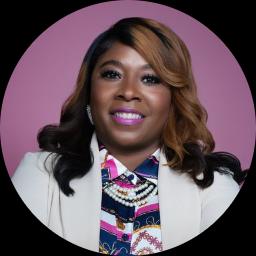
LaRanda Jason
Compassionate, practical support for life transitions
- Credentials
- LCSW
- Experience
- 9 years
- Licensed in
- Louisiana, Arkansas, Texas
- Languages
- English
- Format
- Online sessions
About LaRanda
LaRanda Jason is a licensed clinical social worker who brings nine years of practice to her work in Louisiana. She focuses on helping people navigate grief, stress, anxiety, and major life shifts. She listens with respect and aims to make conversations feel manageable and clear.
Her sessions are shaped to the person in front of her. She uses straightforward talk and practical steps rather than jargon. Clients can expect a plan that grows from their priorities and circumstances.
Background and approach
LaRanda draws on Cognitive Behavioral Therapy to help people notice and change unhelpful thinking and habits. She also uses Dialectical Behavior Therapy skills to teach emotional regulation and coping tools. Mindfulness-based techniques show up when slowing down and noticing the present moment will help.
She brings Client-Centered Therapy values to each meeting, creating space for people to set the pace. Motivational Interviewing is used when someone needs help finding internal reasons to change, like with addictions or lifestyle shifts. Areas she commonly addresses include parenting concerns, relationship difficulties, trauma and abuse, adoption and foster care questions, hospice and end-of-life counseling, and young adult transitions.
Her approach aims to be practical, steady, and tailored to each person.
Therapeutic approaches and how they work online
Client-Centered Therapy focuses on listening, empathy, and following the client's lead. It helps people feel heard and safe enough to name goals and take small steps toward change. Cognitive Behavioral Therapy (CBT) helps identify unhelpful thoughts and habits and teaches practical exercises to shift them. It can be useful for anxiety, depression, and stress when a person wants clear tools to use between sessions. Dialectical Behavior Therapy (DBT) offers skills for emotion regulation, distress tolerance, and interpersonal effectiveness. These skills are often helpful for managing strong emotions and reducing harmful patterns. Finding the right approach is a collaborative process. The therapist will talk with each person about their needs, preferences, and goals and then try strategies that fit. Adjustments happen over time so the plan stays relevant to what is actually helping. Online sessions make it easier to fit therapy into a busy life. Video calls let people have face-to-face conversations from home. Phone sessions, live chat, and text messaging provide more flexible ways to check in, practice skills, or get support between live conversations. These options help maintain continuity of care when schedules or locations make in-person visits difficult.Client-Centered Therapy
The direction comes from you rather than from a set programme. The therapist offers a warm, non-judgemental space to think out loud and work at your own pace. Online, this rests on the relationship rather than on being in the same room.
Cognitive Behavioral Therapy (CBT)
CBT looks at the link between what you think, how you feel, and what you do. You work on noticing unhelpful patterns and practising steadier responses. It suits online sessions well, because much of the work happens between appointments and can be talked through from anywhere.
Dialectical Behavior Therapy (DBT)
Concrete skills for riding out strong emotion, tolerating distress, and handling relationships without things escalating. The skills are practised in daily life, so between-session support by message or phone fits naturally.
Frequently asked questions
What issues does she help with?
What is her general approach in sessions?
How much experience does she have?
What credentials and location are listed?
Which languages are supported and are international sessions available?
What session formats are offered?
How is payment handled?
What do I need to do to begin therapy?
Specialties and expertise
Top specialties
Also works with
- Addictions
- ADHD
- Adoption and foster care
- Anger management
- Bipolar disorder
- Career difficulties
- Compassion fatigue
- Depression
- Family conflicts
- Hospice and end-of-life counseling
- Parenting issues
- Relationship issues
- Stress, Anxiety
- Trauma and abuse
- Young adult issues
Therapeutic approaches
- Experience
- 9 years
- Licensed
- Louisiana, Arkansas, Texas
- Languages
- English
Next step
Talk to LaRanda
- Takes a few minutes
- Nothing to set up just to look
- Stop at any point