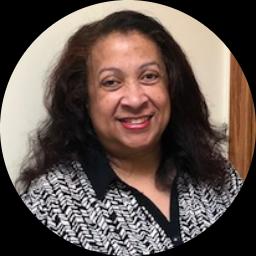
Karen Hill-Davis
Calm, practical support for life transitions
- Credentials
- LCSW
- Experience
- 20 years
- Licensed in
- Illinois
- Languages
- English
- Format
- Online sessions
About Karen
Karen Hill-Davis is a Licensed Clinical Social Worker (LCSW) with 20 years of experience. She uses practical methods to help people regain perspective when life feels overwhelming. Her style is open and supportive and she helps clients clarify what matters most right now.
She begins by listening to where someone is and what they want to change. Sessions focus on clear goals and small, doable steps. Karen blends cognitive behavioral techniques with solution-focused strategies to address current problems and build skills.
Background and approach
Her experience includes adjustment to health changes, aging and life care planning, and bereavement. She also works with stress, anxiety, depression, self-esteem, and workplace or family concerns. Communication problems, blended family issues, and caregiver stress are part of her background as well.
In session she points out existing strengths and helps people apply them to daily life. Practical tools and realistic actions are emphasized over lengthy analysis. The aim is to create steady, manageable progress toward the goals that matter to the client.
Karen practices in Illinois and conducts sessions in English. She offers several online formats, so people can choose what fits their schedule and comfort. The work is collaborative and paced to each person’s needs.
Therapeutic approaches you can use online
Client-Centered Therapy means the therapist listens with warmth and respect, helping the client identify what matters most. This approach is useful when someone needs space to make sense of feelings and decide their own priorities.Cognitive Behavioral Therapy, or CBT, focuses on the links between thoughts, feelings, and actions. It teaches concrete skills to reduce anxiety or depression and to change unhelpful habits in daily life.
Solution-Focused Therapy looks for existing strengths and small changes that make a difference fast. It helps people set clear goals and try practical steps that can be reviewed and adjusted quickly.
Choosing the right approach is part of the process. The therapist will work together with the client to match methods to their goals, needs, and preferences. That collaborative decision is revisited as progress is made so the plan stays useful.
Online formats include video calls, phone sessions, live chat, and text messaging. These options make it easier to fit therapy into a busy life and to keep continuity when in-person visits are difficult. The variety of formats also allows clients to pick what feels most comfortable for talking through sensitive topics and practicing new skills.
Client-Centered Therapy
The direction comes from you rather than from a set programme. The therapist offers a warm, non-judgemental space to think out loud and work at your own pace. Online, this rests on the relationship rather than on being in the same room.
Cognitive Behavioral Therapy (CBT)
CBT looks at the link between what you think, how you feel, and what you do. You work on noticing unhelpful patterns and practising steadier responses. It suits online sessions well, because much of the work happens between appointments and can be talked through from anywhere.
Solution-Focused Therapy
Rather than examining the problem at length, this looks at what is already working and builds on it. Sessions tend to be practical and forward-looking, with small achievable steps, which translates readily to shorter online conversations.
Frequently asked questions
What kinds of problems does Karen address?
How would you describe her therapy style?
What professional background does she bring?
What are her credentials and where is she located?
In which languages are sessions offered?
What session formats are available?
How are sessions paid for?
What should I do to begin working together?
Specialties and expertise
Top specialties
Also works with
- Aging and geriatric issues
- Blended family issues
- Cancer
- Career difficulties
- Caregiver issues and stress
- Communication problems
- Compassion fatigue
- Control issues
- Coping with life changes
- Depression
- Family conflicts
- Family problems
- Hospice and end-of-life counseling
- Isolation / loneliness
- Midlife crisis
- Multicultural concerns
- Prejudice and discrimination
- Relationship issues
- Women's issues
- Workplace issues
Therapeutic approaches
- Experience
- 20 years
- Licensed
- Illinois
- Languages
- English
Next step
Talk to Karen
- Takes a few minutes
- Nothing to set up just to look
- Stop at any point