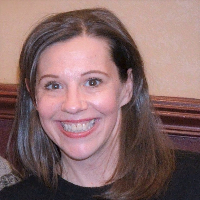
Jonna Phelps
Compassionate, practical support for life's challenges
- Credentials
- LCPC
- Experience
- 20 years
- Licensed in
- Illinois
- Languages
- English
- Format
- Online sessions
About Jonna
Jonna Phelps is a licensed clinical professional counselor with 20 years of experience helping adults manage stress, anxiety, and mood challenges. She works in Illinois and draws on practical therapies to teach coping skills and improve daily functioning. Her style feels direct but calm, aimed at making small changes that add up over time.
Clients can expect sessions that focus on clear skills and better communication. She helps people name their strengths and build on them.
Background and approach
Therapy often centers on learning tools to handle life’s shifts and reduce distress. Jonna uses a mix of patient-focused approaches and evidence-based techniques. That means conversations are guided by the client’s needs while also using structured methods when helpful.
Sessions may include steps to change unhelpful thinking and habits, and exercises to strengthen emotional connection and coping. Her background includes a Master of Arts in Clinical Psychology from Roosevelt University and licensure as an Illinois LCPC - Licensed Clinical Professional Counselor. Over two decades she has concentrated on anxiety, depression, and related concerns such as grief, ADHD, and caregiver stress.
Practical goals are common in her work. People often leave sessions with specific next steps to try between meetings. The aim is better day-to-day functioning, clearer communication, and a renewed sense of personal strengths.
Practical therapy approaches for online care
Client-centered therapy focuses on empathic listening and building a trusting relationship. It helps people feel heard and named for their strengths, which can make it easier to try new behaviors and heal from difficult experiences.Cognitive Behavioral Therapy, or CBT, targets unhelpful thinking and behavior patterns. Sessions often include concrete exercises and homework to change thoughts, reduce anxiety or low mood, and improve daily functioning.
Emotionally-Focused Therapy (EFT) aims to clarify emotions and improve how people connect with themselves and others. It is useful when stronger emotional awareness and improved communication are goals.
Finding the right approach is part of the work. The therapist will collaborate with each person to pick methods that match their needs, goals, and comfort level. That plan can change over time as progress unfolds.
Online formats like video calls, phone sessions, live chat, and text-based messaging make it easier to fit therapy into a busy life. These options offer flexibility for scheduling, allow continuity when travel or caregiving gets in the way, and let people choose how they prefer to communicate while working on skills and emotional goals.
Client-Centered Therapy
The direction comes from you rather than from a set programme. The therapist offers a warm, non-judgemental space to think out loud and work at your own pace. Online, this rests on the relationship rather than on being in the same room.
Cognitive Behavioral Therapy (CBT)
CBT looks at the link between what you think, how you feel, and what you do. You work on noticing unhelpful patterns and practising steadier responses. It suits online sessions well, because much of the work happens between appointments and can be talked through from anywhere.
Emotionally-Focused Therapy (EFT)
Attends to the emotions underneath a recurring argument or distance, and to the attachment needs driving them. Often used where a relationship keeps returning to the same painful loop.
Frequently asked questions
What concerns does she commonly address?
What is her general therapy style?
How long has she been practicing?
What credentials and location information are on file?
Which languages are sessions offered in?
Are international clients supported?
What session formats are available?
How does the process to begin look?
Specialties and expertise
Top specialties
Also works with
- ADHD
- Aging and geriatric issues
- Anger management
- Bipolar disorder
- Career difficulties
- Caregiver issues and stress
- Chronic pain, illness, and disability
- Communication problems
- Compassion fatigue
- Coping with life changes
- Depression
- Family conflicts
- Family problems
- Forgiveness
- Hospice and end-of-life counseling
- Isolation / loneliness
- Life purpose
- Midlife crisis
- Mood disorders
- Obsessions, compulsions, and OCD
- Parenting issues
- Relationship issues
- Seasonal Affective Disorder (SAD)
- Social anxiety and phobia
Therapeutic approaches
- Experience
- 20 years
- Licensed
- Illinois
- Languages
- English
Next step
Talk to Jonna
- Takes a few minutes
- Nothing to set up just to look
- Stop at any point