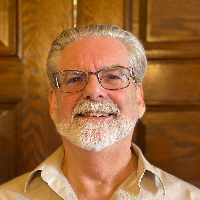
Edward Falsey
Calm support for family and relationship challenges
- Credentials
- LCSW
- Experience
- 25 years
- Licensed in
- New York
- Languages
- English
- Format
- Online sessions
About Edward
Edward Falsey is a licensed clinical social worker with 25 years of experience. He uses practical, down-to-earth methods to help people facing depression, anxiety, addiction, and relationship and family concerns. Edward keeps sessions focused and clear so parents and caregivers can find workable steps.
He works from New York and conducts sessions in English. Edward begins by listening to how daily life is affecting a person or family. He pays attention to patterns in relationships and attachment that can make stress and conflict worse.
Background and approach
He blends talk-based approaches with skills practice so people leave with things they can try at home. Over his career he has helped people address grief, trauma and abuse, and problems tied to caregiving, aging, and blended families. He also supports those dealing with substance use and codependency.
His work includes attention to communication problems, family of origin issues, and the fallout from divorce and separation. Therapeutic approaches he commonly uses include attachment-based methods, client-centered talking, cognitive behavioral strategies, mindfulness, and hypnotherapy. Edward explains each method plainly and helps clients decide what to try.
Sessions may include exercises, new communication skills, and coping tools tailored to the family’s needs. Parents and caregivers seeking help with family problems or relationship stress will find a steady, experienced clinician who focuses on real-world strategies. He emphasizes collaboration and gradual change rather than quick fixes.
Approaches and online options that fit family life
Edward often draws on attachment-based therapy to look at how relationships and early patterns influence current family dynamics. This approach focuses on improving trust, safety, and communication between people, which can help when families face conflict or caregiving stress.He also uses cognitive behavioral therapy, which breaks problems into thoughts, feelings, and actions. CBT teaches practical skills for managing anxiety, depression, and unhelpful reactions so parents and caregivers can try new approaches in everyday situations.
Finding the right approach is part of the work together. Edward will discuss goals, preferences, and what feels most useful, then try methods that fit the family’s needs. Decisions about techniques are collaborative and can shift over time as progress is made.
Online sessions are available by video call, phone, live chat, or text-based messaging to make therapy fit busy schedules. These options let people meet from home, coordinate around childcare, and use shorter check-ins or longer sessions as needed. The range of formats supports continuity of care even when life is hectic, and helps maintain momentum between appointments.
Attachment-Based Therapy
Looks at how early bonds shaped what you expect from closeness, and how that plays out now with a partner, a parent, or your own children.
Client-Centered Therapy
The direction comes from you rather than from a set programme. The therapist offers a warm, non-judgemental space to think out loud and work at your own pace. Online, this rests on the relationship rather than on being in the same room.
Cognitive Behavioral Therapy (CBT)
CBT looks at the link between what you think, how you feel, and what you do. You work on noticing unhelpful patterns and practising steadier responses. It suits online sessions well, because much of the work happens between appointments and can be talked through from anywhere.
Frequently asked questions
What kinds of problems does Edward work with?
What is his therapy style like?
How much clinical experience does he have?
What are his credentials and where is he based?
Which languages are supported for sessions?
Can people outside the U.S. work with him?
What session formats does he use?
How are fees handled and how do I begin?
Specialties and expertise
Top specialties
- Stress, Anxiety
- Addictions
- Relationship issues
Also works with
- Abandonment
- Aging and geriatric issues
- Attachment issues
- Blended family issues
- Cancer
- Caregiver issues and stress
- Codependency
- Communication problems
- Coping with natural or human-caused disaster
- Depression
- Dissociation
- Divorce and separation
- Domestic violence
- Drug and alcohol addiction
- Family conflicts
- Family of origin issues
- Family problems
- Fatherhood issues
- Forgiveness
- Grief
- Guilt and shame
- Infidelity
- Isolation / loneliness
- LGBT
- Men's issues
- Mood disorders
- Obsessions, compulsions, and OCD
- Process addiction (porn, exercise, gambling)
- Seasonal Affective Disorder (SAD)
- Sex addiction
- Sexual dysfunction
- Sexuality
- Social anxiety and phobia
- Trauma and abuse
Therapeutic approaches
- Experience
- 25 years
- Licensed
- New York
- Languages
- English
Next step
Talk to Edward
- Takes a few minutes to look through
- Nothing to set up just to read
- Stop at any point