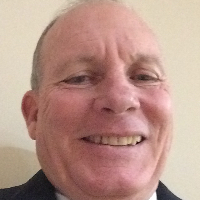
Donald McRae
Calm, practical therapy for family stress
- Credentials
- LPC, LCMHC
- Experience
- 25 years
- Licensed in
- South Carolina, North Carolina
- Languages
- English
- Format
- Online sessions
About Donald
Donald McRae is a Licensed Professional Counselor (LPC) and a Licensed Clinical Mental Health Counselor (LCMHC) based in North Carolina. He brings 25 years of experience to work with adults facing stress, anxiety, addictions, relationship problems, grief, depression, family concerns, trauma, and parenting challenges. His tone is straightforward and practical, aimed at parents who want clear steps and honest support.
He uses methods like Cognitive Behavioral Therapy, Dialectical Behavior Therapy, Acceptance and Commitment Therapy, mindfulness, and Motivational Interviewing.
Background and approach
Sessions focus on concrete skills - improving communication, managing strong emotions, handling sleep or anger issues, and building routines that help daily life. He also helps with career questions, self-esteem, coping with change, and compassion fatigue. Donald draws on long experience in clinics, military settings, and non-profit agencies.
He has led groups and provided one-on-one therapy, bringing a mix of skills learned over many years. He describes himself as nonjudgmental, empathetic, and compassionate, and he emphasizes the effort it takes to make changes. In sessions he works collaboratively to set clear goals and practical steps.
He encourages clients to try small experiments between meetings and to use straightforward tools from DBT and CBT. Parents can expect direct communication, simple strategies, and a steady focus on real-life improvements. Background and approach: He emphasizes courage and commitment in the therapeutic process.
Treatment combines talk, skill practice, and mindfulness exercises. Motivational Interviewing techniques are used when needed to increase readiness for change. He tailors the mix of approaches to the person’s goals and life context.
Therapeutic approaches and online support
Acceptance and Commitment Therapy, or ACT, encourages people to accept difficult thoughts while committing to actions that match their values. It is useful when someone feels stuck and wants to move toward a clearer sense of purpose. Cognitive Behavioral Therapy, CBT, focuses on spotting unhelpful thoughts and changing behaviors that keep problems going. It is often used for anxiety, depression, sleep issues, and managing mood swings.Finding the right approach is a shared process. He works with clients to try methods and adjust them based on what helps most. The therapist will discuss goals, preferences, and daily routines to shape a plan that fits each person’s life.
Online therapy offers practical flexibility. Video calls allow face-to-face conversation from home, phone sessions work when video is not possible, and live chat or text messaging lets clients check in or use short skills between meetings. These options make it easier to fit therapy into busy parenting and family schedules while keeping work focused on usable skills and steady progress.
Acceptance and Commitment Therapy (ACT)
Less about arguing with difficult thoughts, more about loosening their grip and acting on what matters to you anyway. Values and committed action carry the work, which suits conversation at a distance.
Cognitive Behavioral Therapy (CBT)
CBT looks at the link between what you think, how you feel, and what you do. You work on noticing unhelpful patterns and practising steadier responses. It suits online sessions well, because much of the work happens between appointments and can be talked through from anywhere.
Dialectical Behavior Therapy (DBT)
Concrete skills for riding out strong emotion, tolerating distress, and handling relationships without things escalating. The skills are practised in daily life, so between-session support by message or phone fits naturally.
Frequently asked questions
What kinds of problems does he help with?
What is his general therapy style?
How much experience does he have?
What are his credentials and where is he located?
Which languages are sessions offered in?
What session formats are available?
How does cost and payment work?
How do I begin working with him?
Specialties and expertise
Top specialties
- Stress, Anxiety
- Addictions
- Relationship issues
Also works with
- ADHD
- Aging and geriatric issues
- Anger management
- Bipolar disorder
- Career difficulties
- Caregiver issues and stress
- Coaching
- Codependency
- Commitment issues
- Communication problems
- Compassion fatigue
- Control issues
- Coping with life changes
- Coping with natural or human-caused disaster
- Depression
- Family conflicts
- Forgiveness
- Grief
- Guilt and shame
- Intimacy-related issues
- Parenting issues
- Self esteem
- Sleeping disorders
- Trauma and abuse
- Veteran and Armed Forces Issues
- Workplace issues
Therapeutic approaches
- Experience
- 25 years
- Licensed
- South Carolina, North Carolina
- Languages
- English
Next step
Talk to Donald
- Takes a few minutes
- Nothing to set up just to look
- Stop at any point