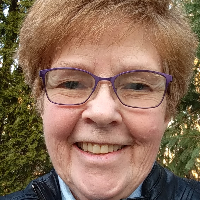
Debra Schwarze
Experienced counselor for life and caregiving challenges
- Credentials
- LCPC, LPC
- Experience
- 30 years
- Licensed in
- Illinois, Wisconsin
- Languages
- English
- Format
- Online sessions
About Debra
Debra Schwarze is a licensed counselor who supports people facing stress, anxiety, grief, depression, and caregiving strain. She also helps with relationship and family concerns, sleep troubles, self-esteem, mood disorders, and life changes. Debra brings three decades of experience in mental health to each conversation.
She practices from Illinois and holds both LCPC and LPC credentials. Her sessions use clear, plain language and focus on what feels most pressing. She listens first and then offers practical steps you can try between meetings.
Background and approach
Debra often combines talking with hands-on activities when it seems helpful, including art making for feelings that are hard to name. Debra draws on approaches such as cognitive behavioral therapy and EMDR to address anxiety, trauma, and mood problems. She also uses client-centered and mindfulness methods to support coping, self-awareness, and emotion regulation.
Treatment is shaped to each person’s needs rather than following one fixed plan. She has worked in community mental health, schools, faith-based programs, health systems, and independent practice. That range informs a flexible style and comfort with different life contexts, including end-of-life and cancer-related concerns.
When someone begins with her, Debra aims to make the first steps straightforward. She helps set clear goals, teaches practical skills, and invites honest feedback so the work stays useful. The focus is on small, manageable changes that build over time.
Therapeutic approaches for online care
Client-centered therapy focuses on listening and building a trusting relationship. The therapist follows the client’s pace, reflects concerns, and helps the person find their own solutions; this approach supports people coping with life changes, grief, and ongoing stress.Cognitive behavioral therapy, or CBT, looks at the connection between thoughts, feelings, and actions. It teaches practical skills to reduce anxiety, manage mood shifts, and change unhelpful patterns that get in the way of daily life.
Eye Movement Desensitization and Reprocessing, known as EMDR, is a targeted approach for processing traumatic memories and reducing their emotional impact. It can be useful for people who have experienced abuse, accidents, or other distressing events.
Finding the right approach is part of the work together. The therapist will discuss options, try methods that fit the client’s goals, and adjust as needed. Clients are invited to give feedback so the plan stays useful and relevant.
Online therapy offers practical flexibility. Video calls let people meet face-to-face from home, phone sessions work when video is not possible, and live chat or text-based messaging provide shorter check-ins and ongoing support. These formats make it easier to keep therapy consistent around busy schedules and caregiving responsibilities.
Client-Centered Therapy
The direction comes from you rather than from a set programme. The therapist offers a warm, non-judgemental space to think out loud and work at your own pace. Online, this rests on the relationship rather than on being in the same room.
Cognitive Behavioral Therapy (CBT)
CBT looks at the link between what you think, how you feel, and what you do. You work on noticing unhelpful patterns and practising steadier responses. It suits online sessions well, because much of the work happens between appointments and can be talked through from anywhere.
EMDR
A structured protocol used with distressing memories, pairing recall with guided attention tasks. Some therapists adapt it for video sessions; whether that fits is worth asking about directly.
Frequently asked questions
What concerns does Debra commonly address?
What is her approach in sessions?
What background does she bring to therapy?
Which credentials and location are listed?
In what language are sessions offered?
What session formats are available?
How does cost and payment work?
How do I begin working with her?
Specialties and expertise
Top specialties
Also works with
- ADHD
- Bipolar disorder
- Cancer
- Career difficulties
- Caregiver issues and stress
- Coaching
- Compassion fatigue
- Coping with life changes
- Divorce and separation
- Emptiness
- Family conflicts
- Forgiveness
- Hospice and end-of-life counseling
- Infidelity
- Isolation / loneliness
- Life purpose
- Mood disorders
- Obsessions, compulsions, and OCD
- Panic disorder and panic attacks
- Relationship issues
- Self esteem
- Sleeping disorders
- Trauma and abuse
- Women's issues
Therapeutic approaches
- Experience
- 30 years
- Licensed
- Illinois, Wisconsin
- Languages
- English
Next step
Talk to Debra
- Takes a few minutes
- Nothing to set up just to look
- Stop at any point