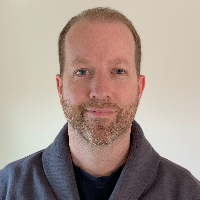
David Robbins
Direct, practical counseling for change
- Credentials
- LPC
- Experience
- 14 years
- Licensed in
- Missouri
- Languages
- English
- Format
- Online sessions
About David
David Robbins is a licensed professional counselor who speaks plainly and directly with people looking for practical change. He offers straightforward coaching and support while giving clear feedback. He focuses on helping clients who are ready to make shifts in their lives and wants to use time efficiently during sessions.
He tends to ask honest questions about why someone acts the way they do. Those conversations aim to make patterns easier to see and change.
Background and approach
Sessions are practical and goal-oriented, with a focus on helping people stop getting in their own way and move toward the life they want. His training includes a Master’s degree in Counseling Psychology and a background in Motivational Psychology and Cognitive Behavioral Therapy. David uses those ideas but adapts his methods to fit each person.
He does not rely on a single technique and blends approaches when it helps. David has worked in mental health since 2006 and has been in practice for 14 years. His experience includes inpatient psychiatric units, drug rehabilitation clinics, eating disorder programs, and personal psychiatric practice.
Those roles shaped his practical, no-nonsense style. In sessions he aims to point people in a positive direction and help them take concrete steps forward. He invites motivated individuals to use therapy as a place for honest conversation, structured feedback, and steady progress.
David holds a Licensed Professional Counselor credential, LPC, and practices in Missouri. He offers services in English and works with international clients when appropriate.
How therapy approaches shape online sessions
Client-Centered Therapy focuses on listening and responding to what matters most to the person. It helps people feel heard and guides them to find their own solutions. Cognitive Behavioral Therapy, or CBT, breaks down unhelpful thoughts and habits into clear steps you can change. It works well for stress, anxiety, and sleep problems. Dialectical Behavior Therapy, or DBT, teaches specific skills for managing strong emotions and improving relationships. It is useful when coping skills and emotional regulation are goals.Choosing the right approach is part of the work together. The therapist will talk with the client about goals, preferences, and what has or hasn't helped before. Then he will suggest methods and adjust them as progress unfolds. This keeps the plan practical and aligned with what the client needs.
Online sessions use video calls, phone sessions, live chat, or text-based messaging to make therapy easier to fit into daily life. These options let people connect from home, during breaks, or while traveling. The mix of formats also makes it possible to continue work between live meetings and keep momentum toward goals.
Client-Centered Therapy
The direction comes from you rather than from a set programme. The therapist offers a warm, non-judgemental space to think out loud and work at your own pace. Online, this rests on the relationship rather than on being in the same room.
Cognitive Behavioral Therapy (CBT)
CBT looks at the link between what you think, how you feel, and what you do. You work on noticing unhelpful patterns and practising steadier responses. It suits online sessions well, because much of the work happens between appointments and can be talked through from anywhere.
Dialectical Behavior Therapy (DBT)
Concrete skills for riding out strong emotion, tolerating distress, and handling relationships without things escalating. The skills are practised in daily life, so between-session support by message or phone fits naturally.
Frequently asked questions
What issues does David Robbins address?
What is his therapeutic style like?
How long has he been practicing?
Where is David licensed and located?
Which languages are available for sessions?
What formats are used for sessions?
How is cost handled for sessions?
How do I begin working with him?
Specialties and expertise
Top specialties
- Stress, Anxiety
- Addictions
- Relationship issues
Also works with
- Anger management
- Autism and Asperger Syndrome
- Bipolar disorder
- Career difficulties
- Coaching
- Compassion fatigue
- Control issues
- Coping with life changes
- Dissociation
- Drug and alcohol addiction
- First responder issues
- Intimacy-related issues
- Life purpose
- Midlife crisis
- Panic disorder and panic attacks
- Parenting issues
- Postpartum depression
- Self esteem
- Sleeping disorders
- Trauma and abuse
Therapeutic approaches
- Experience
- 14 years
- Licensed
- Missouri
- Languages
- English
Next step
Talk to David
- Takes a few minutes
- Nothing to set up just to look
- Stop at any point