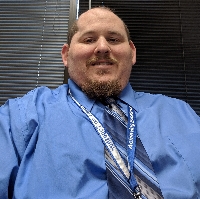
David Rawlins
Supportive counselor focused on practical skills
- Credentials
- LPC
- Experience
- 12 years
- Licensed in
- Michigan
- Languages
- English
- Format
- Online sessions
About David
David Rawlins is a Licensed Professional Counselor (LPC) in Michigan who uses a practical, person-focused approach to therapy. He builds calm, non-threatening relationships so clients can talk about what matters. He aims to make beginning therapy feel straightforward and manageable for people who are worried or overwhelmed.
David works from a background of 12 years in mental health and runs a personal counseling practice in Lake Orion, MI. He has helped people dealing with stress, anxiety, depression, career questions, trauma, addictions, and intimacy-related concerns.
Background and approach
He also addresses issues like sleep and eating problems, parenting stress, bipolar mood concerns, and self-esteem difficulties. Sessions are aimed at teaching useful skills and clarifying next steps. David draws on strategies from Cognitive Behavioral Therapy, Dialectical Behavior Therapy, and mindfulness so people learn new ways to cope.
He also uses client-centered and motivational techniques to match support to each person’s goals. David earned his master’s degree in counseling at Argosy University - Nashville and holds a bachelor’s degree in psychology from Siena Heights University. He has worked in community mental health, supervised counseling students, and served as an approved clinical supervisor.
People who want help sorting through career decisions, recovering from trauma, or managing mood and substance issues can expect a steady, skills-focused process. Sessions focus on practical steps, clearer choices, and building coping skills for daily life.
Therapeutic approaches and how they work online
David commonly uses Cognitive Behavioral Therapy (CBT), which helps people spot unhelpful thoughts and try different behaviors to change how they feel. CBT is often used for anxiety, depression, stress, and sleep or eating problems.He also draws on Dialectical Behavior Therapy (DBT) skills to teach emotion regulation, distress tolerance, and interpersonal effectiveness. Those skills are useful when strong emotions, impulsive behaviors, or relationship strain get in the way of daily life.
Finding the right approach is part of the work. He collaborates with each person to decide which methods fit their goals and situation. That means trying skills, reviewing what helps, and adjusting plans together so therapy stays relevant and practical.
Online sessions make regular work on goals easier to fit into a busy life. Video calls allow face-to-face conversation, phone sessions offer convenience, and live chat or text messaging can support brief check-ins and skill practice between meetings. These options give flexibility for people balancing work, family, or other commitments while learning new coping strategies.
Client-Centered Therapy
The direction comes from you rather than from a set programme. The therapist offers a warm, non-judgemental space to think out loud and work at your own pace. Online, this rests on the relationship rather than on being in the same room.
Cognitive Behavioral Therapy (CBT)
CBT looks at the link between what you think, how you feel, and what you do. You work on noticing unhelpful patterns and practising steadier responses. It suits online sessions well, because much of the work happens between appointments and can be talked through from anywhere.
Dialectical Behavior Therapy (DBT)
Concrete skills for riding out strong emotion, tolerating distress, and handling relationships without things escalating. The skills are practised in daily life, so between-session support by message or phone fits naturally.
Frequently asked questions
What kinds of concerns does this therapist address?
What is his general therapy style?
How long has he been practicing?
What credentials and location are listed?
Which languages are supported for sessions?
What formats are available for sessions?
How are fees handled?
How do I begin working with him?
Specialties and expertise
Top specialties
- Stress, Anxiety
- Trauma and abuse
- Career difficulties
Also works with
- Addictions
- Anger management
- Antisocial personality
- Bipolar disorder
- Body image
- Depression
- Disruptive Mood Dysregulation Disorder (DMDD)
- Divorce and separation
- Drug and alcohol addiction
- Eating disorders
- Family conflicts
- First responder issues
- Intimacy-related issues
- LGBT
- Parenting issues
- Personality disorders
- Relationship issues
- Seasonal Affective Disorder (SAD)
- Self esteem
- Self-harm
- Sex addiction
- Sleeping disorders
- Trichotillomania
- Veteran and Armed Forces Issues
- Young adult issues
Therapeutic approaches
- Experience
- 12 years
- Licensed
- Michigan
- Languages
- English
Next step
Talk to David
- Takes a few minutes
- Nothing to set up just to look
- Stop at any point