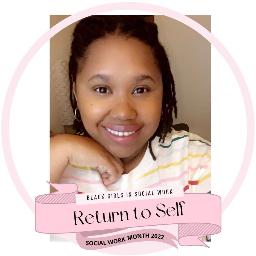
Chloe Smith-Ferguson
Therapist focused on practical coping steps
- Credentials
- LCSW
- Experience
- 8 years
- Licensed in
- Illinois
- Languages
- English
- Format
- Online sessions
About Chloe
Chloe Smith-Ferguson is a Licensed Clinical Social Worker who helps people manage stress, anxiety, depression, grief, parenting challenges, and mood concerns. She focuses on practical steps clients can take, such as building coping skills, reframing unhelpful thoughts, and setting small, achievable goals. Chloe writes in a straightforward way and aims to make therapy feel manageable and useful from the first conversation.
Her style is collaborative and down-to-earth. She treats each person as the expert on their life and offers guidance rather than diktats.
Background and approach
Sessions might include talking through feelings, practicing new ways to respond to stress, and creating short plans to try between meetings. Chloe trained through an interprofessional fellowship with the Veterans Health Administration, where she provided individual and group therapy. She has eight years of clinical experience and holds an LCSW - Licensed Clinical Social Worker - in Illinois (IL LCSW 149.021464).
Clinically, she uses approaches such as Cognitive Behavioral Therapy, Acceptance and Commitment Therapy, Dialectical Behavior Therapy, Mindfulness, and Motivational Interviewing. These methods are used to address things like panic, trauma, anger, sleep problems, and coping with life changes. Sessions are offered in English and provided through video calls, phone sessions, live chat, or text-based messaging.
The subscription-based sessions can be canceled at any time and costs vary with location and therapist availability. To begin, a short matching questionnaire is completed before scheduling.
How therapy approaches translate to online care
Acceptance and Commitment Therapy (ACT) helps people notice difficult thoughts and feelings without getting stuck in them, then take steps toward a values-based life. It is useful when life changes or low mood make it hard to move forward. Cognitive Behavioral Therapy (CBT) focuses on changing unhelpful thinking and behavior patterns by practicing new responses and testing them in daily life. It is often used for anxiety, panic, and depression. Dialectical Behavior Therapy (DBT) teaches practical skills for emotion regulation, distress tolerance, and clearer communication, which can help with strong reactions and relationship strain.Choosing the right approach is part of the work. The therapist will talk with the client about goals, preferences, and what feels most useful. Together they decide which methods to try and adjust the plan as needed in ongoing sessions.
Online therapy offers several practical benefits for these approaches. Video calls allow face-to-face conversation for skill practice and coaching. Phone sessions provide flexibility when video is not possible. Live chat and text-based messaging let clients check in between visits and receive brief coaching or reminders. These options make it easier to fit therapy into a busy life while still working on skills and real-world changes.
Acceptance and Commitment Therapy (ACT)
Less about arguing with difficult thoughts, more about loosening their grip and acting on what matters to you anyway. Values and committed action carry the work, which suits conversation at a distance.
Cognitive Behavioral Therapy (CBT)
CBT looks at the link between what you think, how you feel, and what you do. You work on noticing unhelpful patterns and practising steadier responses. It suits online sessions well, because much of the work happens between appointments and can be talked through from anywhere.
Dialectical Behavior Therapy (DBT)
Concrete skills for riding out strong emotion, tolerating distress, and handling relationships without things escalating. The skills are practised in daily life, so between-session support by message or phone fits naturally.
Frequently asked questions
What kinds of problems can be addressed?
How would you describe the therapy style?
What training and background supports this work?
Where is the therapist licensed and what credential is held?
Which languages are sessions offered in?
Can people outside the country work with this therapist?
What formats are available for sessions?
How are fees and getting started handled?
Specialties and expertise
Top specialties
- Stress, Anxiety
- Self esteem
- Bipolar disorder
Also works with
- ADHD
- Aging and geriatric issues
- Anger management
- Co-morbidity
- Communication problems
- Coping with life changes
- Dependent personality
- Depression
- Family conflicts
- Family problems
- Grief
- Isolation / loneliness
- Money and financial issues
- Mood disorders
- Multicultural concerns
- Panic disorder and panic attacks
- Paranoia
- Parenting issues
- Post-traumatic stress
- Prejudice and discrimination
- Relationship issues
- Self-harm
- Sleeping disorders
- Social anxiety and phobia
- Trauma and abuse
- Traumatic brain injury
- Veteran and Armed Forces Issues
- Young adult issues
Therapeutic approaches
- Experience
- 8 years
- Licensed
- Illinois
- Languages
- English
Next step
Talk to Chloe
- Takes a few minutes to look through
- Nothing to set up just to read
- Stop at any point