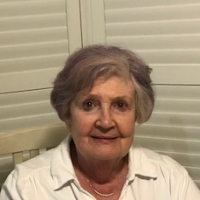
Dr. Carol Jannik
Experienced LPC for family concerns
- Credentials
- LPC
- Experience
- 35 years
- Licensed in
- Louisiana
- Languages
- English
- Format
- Online sessions
About Carol
Dr. Carol Jannik offers a straightforward, experience-based approach to therapy. She is a Licensed Professional Counselor (LPC) with 35 years in the field and works from practical methods that help families handle stress, anxiety, relationship strains, and parenting challenges.
She presents care in clear terms so parents can decide what feels right for their family. Her background includes long-term independent practice and roles in schools, counseling agencies, and hospital departments such as pain management and obstetrics.
Background and approach
She has provided outpatient care in partial hospitalization and intensive outpatient settings. She has also worked with children and adolescents in foster care, adoption-related issues, learning and educational concerns, and family adjustment challenges. She collaborates with psychiatrists to monitor medication effects and understands how medical conditions can interact with mental health.
She notes experience with depression, bipolar disorder, anxiety, psychosis, and trauma-related concerns. Her work includes first responder and veteran-related issues as well as grief, addiction, and panic symptoms. Her typical approach blends client-centered care with cognitive behavioral strategies and elements of dialectical behavior therapy and mindfulness.
She adapts plans to each person or family and uses narrative and solution-focused elements when they fit the situation. Based in Louisiana, she holds Louisiana LPC license number LA LPC 456 and brings decades of hands-on practice to family and parenting topics. She emphasizes honest referrals when another provider would better meet a need.
How specific approaches work online for families
Client-Centered Therapy focuses on understanding each person without judgment and building on their strengths. Online sessions using this approach let parents and children explain concerns and set goals while the therapist offers empathic listening and practical feedback.Cognitive Behavioral Therapy, or CBT, looks at patterns of thoughts and behaviors and teaches clear skills to change them. In remote sessions, CBT can help with anxiety, panic, depression, and stress by using structured exercises, thought records, and homework between meetings.
Dialectical Behavior Therapy, DBT, brings skills for handling intense emotions and improving communication. When used in online formats, DBT techniques like distress tolerance and emotion regulation can be taught in short, focused sessions and practiced during daily life at home.
Finding the right approach is a collaborative process. The therapist will listen to the family's goals, try appropriate methods, and adjust based on what works best. That makes therapy a team effort where preferences and practical needs shape the plan.
Online therapy offers flexible ways to connect by video calls, phone sessions, live chat, or text-based messaging. These options make it easier to fit sessions around school, work, and caregiving duties and let families keep continuity of care even when schedules are tight.
Client-Centered Therapy
The direction comes from you rather than from a set programme. The therapist offers a warm, non-judgemental space to think out loud and work at your own pace. Online, this rests on the relationship rather than on being in the same room.
Cognitive Behavioral Therapy (CBT)
CBT looks at the link between what you think, how you feel, and what you do. You work on noticing unhelpful patterns and practising steadier responses. It suits online sessions well, because much of the work happens between appointments and can be talked through from anywhere.
Dialectical Behavior Therapy (DBT)
Concrete skills for riding out strong emotion, tolerating distress, and handling relationships without things escalating. The skills are practised in daily life, so between-session support by message or phone fits naturally.
Frequently asked questions
What kinds of problems does she help with?
What is her general therapy style?
How long has she worked in the field?
What are her credentials and where is she based?
Which languages are supported for sessions?
What formats are available for appointments?
How are fees and subscriptions handled?
How do I begin working with her?
Specialties and expertise
Top specialties
- Stress, Anxiety
- Relationship issues
- Family conflicts
Also works with
Therapeutic approaches
- Experience
- 35 years
- Licensed
- Louisiana
- Languages
- English
Next step
Talk to Carol
- Takes a few minutes
- Nothing to set up just to look
- Stop at any point