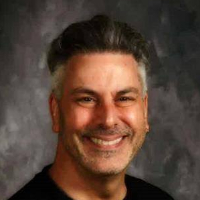
Alan Ellias
Seasoned social worker focusing on practical support
- Credentials
- LMSW
- Experience
- 20 years
- Licensed in
- Michigan
- Languages
- English
- Format
- Online sessions
About Alan
Alan Ellias is a Licensed Master Social Worker with about 20 years of part-time experience as a psychotherapist. He practices in Michigan and has worked in school settings, crisis lines, emergency services, and small independent practice. He aims to create a calm, respectful space where people can talk about stress, grief, relationship struggles, and other concerns.
Sessions are conversational and focused on practical steps a person can try between meetings.
Background and approach
He trained at Wayne State University and has a long history supporting people with anxiety, depression, LGBTQ concerns, and parenting challenges. He also has experience with trauma, emotional abuse, ADHD, and end-of-life issues. His background includes volunteer and part-time roles at community counseling centers and school-based services, which shaped his steady, down-to-earth style.
Alan’s counseling style is warm, nonjudgmental, and interactive. He listens first, then offers suggestions and options when they fit. He avoids stigmatizing labels and treats decisions as belonging to the client.
That practical, respectful approach helps people sort through choices and build on strengths. He draws on cognitive-behavioral ideas, psychodynamic thinking, acceptance and commitment ideas, and client-centered methods. In sessions he helps clients notice patterns in thinking and behavior, test small changes, and reflect on deeper emotions and life stories.
Treatment is tailored to each person’s needs and goals. Alan believes reaching out for help is an act of courage. He frames therapy as a collaborative process aimed at clearer thinking, fewer barriers to action, and a more manageable daily life.
Therapeutic approaches and online sessions
Acceptance and Commitment Therapy (ACT) focuses on clarifying what matters to a person and taking small actions toward those values despite difficult thoughts or feelings. It is often used for anxiety, stress, and coping with life changes. Cognitive Behavioral Therapy (CBT) looks at how thoughts, feelings, and actions connect and teaches practical skill work to test and change unhelpful thinking patterns. That approach is commonly used for depression, anxiety, and problem-focused issues. Client-Centered Therapy emphasizes a respectful, nonjudgmental relationship where the therapist listens and follows the client’s lead to support self-directed growth.Finding the right approach is part of therapy itself. Alan will work collaboratively to identify which methods fit a person’s goals and preferences. Together they will try strategies, notice what helps, and adjust the plan as needed rather than sticking to one fixed method.
Online sessions allow similar work to in-person meetings using video calls, phone sessions, live chat, or text-based messaging. These formats offer flexibility for scheduling and make it easier to fit therapy into a busy life. People can use different formats for different needs - longer video conversations for deep work or brief messages for quick coaching between sessions.
Acceptance and Commitment Therapy (ACT)
Less about arguing with difficult thoughts, more about loosening their grip and acting on what matters to you anyway. Values and committed action carry the work, which suits conversation at a distance.
Client-Centered Therapy
The direction comes from you rather than from a set programme. The therapist offers a warm, non-judgemental space to think out loud and work at your own pace. Online, this rests on the relationship rather than on being in the same room.
Cognitive Behavioral Therapy (CBT)
CBT looks at the link between what you think, how you feel, and what you do. You work on noticing unhelpful patterns and practising steadier responses. It suits online sessions well, because much of the work happens between appointments and can be talked through from anywhere.
Frequently asked questions
What concerns does Alan address?
What is his therapeutic style like?
What experience does he bring?
What are his credentials and where is he based?
Which languages are sessions offered in?
What session formats are available?
How are sessions paid for?
How do I begin working with him?
Specialties and expertise
Top specialties
- Stress, Anxiety
- LGBT
- Relationship issues
Also works with
- ADHD
- Anger management
- Career difficulties
- Coaching
- Compassion fatigue
- Coping with life changes
- Depression
- Family conflicts
- Grief
- Hospice and end-of-life counseling
- Infidelity
- Intimacy-related issues
- Parenting issues
- Phobias
- Self esteem
- Trauma and abuse
Therapeutic approaches
- Experience
- 20 years
- Licensed
- Michigan
- Languages
- English
Next step
Talk to Alan
- Takes a few minutes
- Nothing to set up just to look
- Stop at any point