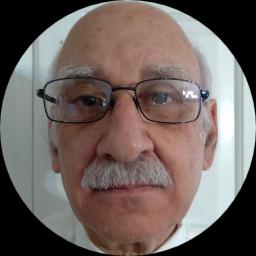
Dr. Thomas Tashjian
Supportive practical therapy for family and parenting concerns
- Credentials
- MA Psychologist 3022
- Experience
- 33 years
- Licensed in
- Massachusetts
- Languages
- English
- Format
- Online sessions
About Thomas
Dr. Thomas Tashjian helps people manage stress, anxiety, anger, depression, bipolar symptoms, ADHD, addictions, trauma, grief, sleep problems, parenting challenges, self-esteem, and life transitions. He also offers coaching to clarify goals and next steps.
He writes plainly and focuses on practical skills people can use right away. Dr. Tashjian brings 33 years of experience to his work in Massachusetts and provides therapy in English.
He trains clients in straightforward strategies to notice and change unhelpful thoughts and reactions.
Background and approach
He uses approaches that teach skills for emotion regulation, managing impulses, and improving daily routines. Sessions often include talking through problems, practicing new skills, and planning small steps to try between meetings. Dr.
Tashjian has a background in psychology and pharmacology, and he holds an MA Psychologist 3022 credential. That mix helps him look at how physical health and medications can affect mood and behavior. He helps people separate those effects from other emotional issues and find practical responses.
He draws on outdoor activity and exercise as part of recovery when that fits a person’s life. He has run marathons and used experiential activities in therapeutic programs, and he sometimes suggests movement and routines as part of treatment. He also writes short parables about animals to illustrate ideas.
People who choose him will find a therapist who focuses on clear skills, realistic plans, and explaining how thoughts, the body, and daily habits interact. He works by helping clients test small changes and notice what helps them feel better.
Approaches that translate to online work
Dr. Tashjian commonly uses Cognitive Behavioral Therapy and Dialectical Behavior Therapy to help people change unhelpful thinking and manage strong emotions. CBT focuses on identifying problematic thoughts and testing new ways of thinking and behaving to reduce symptoms like anxiety or depression. DBT teaches concrete emotion regulation and distress tolerance skills that are useful for anger, intense mood swings, and impulsive behavior.He also draws on Mindfulness Therapy to help people notice thoughts and bodily sensations without getting swept away by them. That approach can help with stress, sleep problems, and rumination. Choosing which methods to use is a collaborative process - the therapist will review a person’s goals, symptoms, and preferences and then suggest a path to try together.
Online formats make it easier to fit therapy into busy lives. Video calls let people work face-to-face from home, while phone sessions provide a lower-tech option. Live chat and text-based messaging allow brief check-ins, skill coaching, and follow-up between sessions. These options offer flexibility for parents and those with unpredictable schedules and support practicing skills across daily routines.
Cognitive Behavioral Therapy (CBT)
CBT looks at the link between what you think, how you feel, and what you do. You work on noticing unhelpful patterns and practising steadier responses. It suits online sessions well, because much of the work happens between appointments and can be talked through from anywhere.
Dialectical Behavior Therapy (DBT)
Concrete skills for riding out strong emotion, tolerating distress, and handling relationships without things escalating. The skills are practised in daily life, so between-session support by message or phone fits naturally.
Mindfulness Therapy
Attention training: noticing thoughts and physical feelings as they arrive without being carried off by them. Much of it is practice you do yourself, so guidance over video or audio works much as it would in person.
Frequently asked questions
What kinds of concerns does he address?
What is his therapeutic style like?
How much experience does he have?
What are his credentials and where is he based?
Which languages are offered for sessions?
Can he work with people outside the United States?
What session formats are available?
How are costs and getting started managed?
Specialties and expertise
Top specialties
- Stress, Anxiety
- Anger management
- Bipolar disorder
Also works with
- Addictions
- ADHD
- Aging and geriatric issues
- Antisocial personality
- Autism and Asperger Syndrome
- Chronic pain, illness, and disability
- Co-morbidity
- Coaching
- Communication problems
- Control issues
- Coping with life changes
- Depression
- Dissociation
- Drug and alcohol addiction
- Grief
- Hoarding
- Obsessions, compulsions, and OCD
- Panic disorder and panic attacks
- Paranoia
- Parenting issues
- Personality disorders
- Phobias
- Post-traumatic stress
- Self esteem
- Self-harm
- Sexual assault and abuse
- Sleeping disorders
- Social anxiety and phobia
- Somatization
- Trauma and abuse
- Traumatic brain injury
Therapeutic approaches
- Experience
- 33 years
- Licensed
- Massachusetts
- Languages
- English
Next step
Talk to Thomas
- Takes a few minutes
- Nothing to set up just to look
- Stop at any point