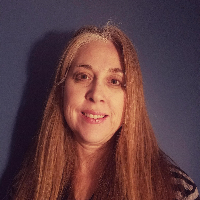
Roseann Smith
Compassionate, practical support for life changes
- Credentials
- LCSW
- Experience
- 16 years
- Licensed in
- Virginia
- Languages
- English
- Format
- Online sessions
About Roseann
Roseann Smith is a Licensed Clinical Social Worker (LCSW) practicing in Virginia. She focuses on common and difficult concerns such as addictions, trauma, depression, anxiety, relationship and family struggles, grief, and coping with life changes. Her tone is warm and down-to-earth, and she aims to make people feel comfortable enough to talk openly.
Many clients find a lighter touch helps them take steps forward. She has 16 years of experience working with individuals and couples, including time at a college counseling center where she supported young adults navigating relationships and the transition to adulthood.
Background and approach
More recently she has focused on people facing substance use and behavioral health challenges. Her background includes work with mood disorders such as bipolar disorder and major depressive disorder, and with people recovering from traumatic experiences.
In sessions she draws from Client-Centered Therapy to center the person's goals and from Cognitive Behavioral Therapy to identify thoughts and actions that can change how someone feels. She also uses Dialectical Behavior Therapy skills and mindfulness techniques to help manage intense emotions. Motivational Interviewing is part of how she supports readiness to change, especially around substance use.
Her approach is practical and collaborative. She often sets small, concrete goals together with the person between sessions. Those steps are chosen to match what the client feels ready to try and to build skills that make daily life easier.
Roseann works with common family and relationship issues and with a range of emotional and behavioral health concerns. She emphasizes empathy and practicality, aiming to help people gain tools and confidence to move forward.
Approaches that translate well to online sessions
Client-Centered Therapy centers the person's own goals and priorities, and is about listening and responding to what matters most to the individual. It helps when someone needs support that follows their pace and concerns rather than a fixed agenda.Cognitive Behavioral Therapy, or CBT, focuses on spotting unhelpful thoughts and testing practical ways to change them. It is useful for anxiety, depression, mood issues, and for building skills to cope with stress and relationship problems.
Dialectical Behavior Therapy, DBT, offers concrete skills for managing intense emotions and improving interpersonal effectiveness. It can be helpful for people who want tools to handle strong reactions and reduce conflict.
Choosing the right approach is part of the work together. The therapist will collaborate with each person to identify which methods fit their goals, needs, and preferences. That process can shift over time as progress is made and new priorities arise.
Online therapy makes these approaches accessible through video calls, phone sessions, live chat, and text-based messaging. Those options allow flexibility for busy schedules, for managing therapy between other responsibilities, and for keeping momentum when life is hectic. Licensed professionals can use exercises, skill coaching, and goal-setting just as effectively through these formats, making it possible to build skills and track progress from wherever the person is located.
Client-Centered Therapy
The direction comes from you rather than from a set programme. The therapist offers a warm, non-judgemental space to think out loud and work at your own pace. Online, this rests on the relationship rather than on being in the same room.
Cognitive Behavioral Therapy (CBT)
CBT looks at the link between what you think, how you feel, and what you do. You work on noticing unhelpful patterns and practising steadier responses. It suits online sessions well, because much of the work happens between appointments and can be talked through from anywhere.
Dialectical Behavior Therapy (DBT)
Concrete skills for riding out strong emotion, tolerating distress, and handling relationships without things escalating. The skills are practised in daily life, so between-session support by message or phone fits naturally.
Frequently asked questions
What concerns does she address?
How would you describe her therapy style?
What is her professional background?
What are her credentials and where is she licensed?
Which languages are supported for sessions?
What session formats are available?
How are costs handled for sessions?
How do I begin working with her?
Specialties and expertise
Top specialties
Also works with
- Abandonment
- Anger management
- Bipolar disorder
- Codependency
- Communication problems
- Control issues
- Coping with life changes
- Drug and alcohol addiction
- Family conflicts
- Grief
- Guilt and shame
- Mood disorders
- Post-traumatic stress
- Postpartum depression
- Relationship issues
- Self esteem
- Self-love
- Social anxiety and phobia
- Stress, Anxiety
- Young adult issues
Therapeutic approaches
- Experience
- 16 years
- Licensed
- Virginia
- Languages
- English
Next step
Talk to Roseann
- Takes a few minutes
- Nothing to set up just to look
- Stop at any point