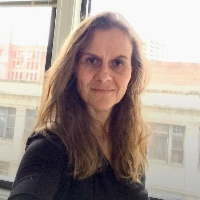
Dominique Decoster
Helping parents and individuals find steady steps forward
- Credentials
- LICSW
- Experience
- 4 years
- Licensed in
- Massachusetts
- Languages
- English, Spanish, French
- Format
- Online sessions
About Dominique
Dominique Decoster is a licensed clinical social worker who helps people manage stress, anxiety, addiction, trauma, depression, grief, sleep and eating problems, and parenting concerns. She uses clear, practical conversation to help clients find steady steps forward. Sessions are offered in English, Spanish, and French.
Dominique holds the LICSW credential and works from Massachusetts. Dominique brings experience from clinical and public service settings. She completed her MSW at Springfield College and completed internships in a correctional facility and a cancer center.
Background and approach
Early work included a three-year role as a therapist in a clinic setting. For the last 15 years she has worked as a social worker in the public defender's office. That role involved providing services to indigent individuals facing criminal charges, sharpening her skills in assessment, advocacy, and practical planning.
In sessions she leans on grounded, evidence-informed methods. She uses tools from cognitive behavioral therapy to help people spot unhelpful thoughts and try different responses. Mindfulness practices and DBT skills are woven in when they fit the client’s needs.
Her style is straightforward and collaborative. She focuses on small, doable changes rather than big promises. Parents and caregivers often appreciate concrete strategies they can use between sessions.
Dominique explains her LICSW as Licensed Independent Clinical Social Worker, and she continues to draw on both clinical training and many years of public service. Her background supports practical problem solving and clear planning during therapy.
Approaches that translate to online care
Client-Centered Therapy focuses on listening and understanding the person’s perspective. The therapist offers empathy and reflection to help clients clarify what matters and set realistic goals. Cognitive Behavioral Therapy, or CBT, helps people notice unhelpful thought patterns and try different behaviors to reduce anxiety and improve mood. CBT is practical and often focuses on homework between sessions. Dialectical Behavior Therapy, DBT, teaches skills for managing intense emotions and improving relationships through mindfulness, distress tolerance, emotion regulation, and interpersonal effectiveness skills.Finding the right approach is part of the work together. Dominique will collaborate with clients to choose methods that fit their needs, goals, and daily life. She adjusts strategies over time based on what is working and what is not.
Online formats make therapy easier to fit into a busy week. Video calls let people have face-to-face conversations from home, while phone sessions can be a good alternative when video is difficult. Live chat and text-based messaging support shorter check-ins, skill practice, or follow-up between longer sessions. These options offer flexibility so clients can keep continuity of care even when schedules change.
Client-Centered Therapy
The direction comes from you rather than from a set programme. The therapist offers a warm, non-judgemental space to think out loud and work at your own pace. Online, this rests on the relationship rather than on being in the same room.
Cognitive Behavioral Therapy (CBT)
CBT looks at the link between what you think, how you feel, and what you do. You work on noticing unhelpful patterns and practising steadier responses. It suits online sessions well, because much of the work happens between appointments and can be talked through from anywhere.
Dialectical Behavior Therapy (DBT)
Concrete skills for riding out strong emotion, tolerating distress, and handling relationships without things escalating. The skills are practised in daily life, so between-session support by message or phone fits naturally.
Frequently asked questions
What issues does Dominique help address?
What is her general therapy style?
What background does she bring to therapy?
What credentials and location are listed?
Which languages are supported in sessions?
In what formats are sessions offered?
How are costs handled?
What steps do I take to begin therapy?
Specialties and expertise
Top specialties
Also works with
- Anger management
- Attachment issues
- Autism and Asperger Syndrome
- Bipolar disorder
- Cancer
- Codependency
- Communication problems
- Dependent personality
- Depression
- Dissociation
- Domestic violence
- Drug and alcohol addiction
- Eating disorders
- Fatherhood issues
- Gender dysphoria
- Grief
- Hoarding
- Immigration issues
- Intellectual disability
- Isolation / loneliness
- Mood disorders
- Narcissism
- Obsessions, compulsions, and OCD
- Panic disorder and panic attacks
- Paranoia
- Parenting issues
- Personality disorders
- Post-traumatic stress
- Self esteem
- Self-harm
- Sleeping disorders
- Traumatic brain injury
- Women's issues
Therapeutic approaches
- Experience
- 4 years
- Licensed
- Massachusetts
- Languages
- English, Spanish, French
Next step
Talk to Dominique
- Takes a few minutes
- Nothing to set up just to look
- Stop at any point