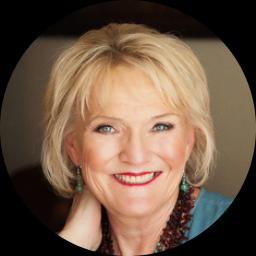
Debra Dupree
Practical, neuroscience-informed family support
- Credentials
- LMFT
- Experience
- 40 years
- Licensed in
- California
- Languages
- English
- Format
- Online sessions
About Debra
Debra Dupree is a licensed marriage and family therapist with four decades of professional experience in California. She returned to school for a doctorate from 2012 to 2014 and now blends clinical experience with recent neuroscience-informed ideas. Her work often centers on stress, anxiety, relationship difficulties, family concerns, grief, and navigating life changes.
She uses a mindshift framework grounded in brain science to help people notice unhelpful patterns. Sessions focus on practical skills and clear steps that can change how someone thinks and reacts.
Background and approach
That approach is often useful for easing anxiety, improving communication, and managing grief. Therapy sessions aim to be a calm space for sharing thoughts and feelings without judgment. The therapist encourages curiosity and courage as part of making change.
Conversations are oriented toward figuring out what is working and what can be adjusted. Debra prioritizes teaching skills that clients can use between sessions. Those skills include strategies to reduce stress responses and tools for repairing or improving relationships.
She emphasizes short-term, focused work when appropriate. Clients who prefer clear explanations about why certain exercises are used may find this style helpful. English-language sessions are provided, including options for international clients.
The overall focus is on practical change rather than lengthy theory discussions.
How online sessions use brain-based techniques
Debra blends neuroscience-informed mindshift work with practical skill teaching. The mindshift approach explains how certain thoughts and reactions arise in the brain and uses short exercises to change those patterns. It can be helpful for stress, anxiety, and adjusting to life changes.She also focuses on skill-based work that teaches specific coping techniques and communication tools. Those techniques are simple to practice between sessions and aim to make day-to-day interactions easier, especially around family and relationship concerns.
Choosing the right approach is part of the therapeutic process. The therapist works collaboratively with each person to identify which methods fit their needs, goals, and preferences. Together they test techniques and adapt the plan as progress is made.
Online therapy offers flexible ways to meet including video calls, phone sessions, live chat, or text-based messaging. These options make it easier to fit sessions into busy schedules and to continue work when travel or time constraints arise. Licensed professionals can use these formats to teach exercises, coach through skills in the moment, and support progress between sessions.
Frequently asked questions
What kinds of problems does she help with?
What is her therapeutic style like?
How long has she worked in this field?
What are her credentials and where is she based?
Are sessions offered in other languages or internationally?
Which session formats are available?
How does payment and cost work?
How do I begin working with her?
Specialties and expertise
Top specialties
- Stress, Anxiety
- Relationship issues
- Family conflicts
Also works with
- Experience
- 40 years
- Licensed
- California
- Languages
- English
Next step
Talk to Debra
- Takes a few minutes
- Nothing to set up just to look
- Stop at any point