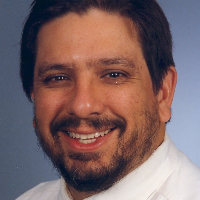
Dr. David Mathews
Compassionate guidance for family and relationship challenges
- Credentials
- LICSW
- Experience
- 35 years
- Licensed in
- Minnesota
- Languages
- English
- Format
- Online sessions
About David
Dr. David Mathews helps people facing relationship strain, family challenges, parenting questions, and the fallout from trauma. He practices in Minnesota and brings clear, steady support for everyday problems like anxiety, depression, grief, anger, and struggles with addiction.
He explains things plainly and focuses on building a respectful working relationship first. His approach is warm and interactive, aimed at making it easier to talk about difficult moments. With 35 years of experience, David draws on several practical methods to guide treatment.
Background and approach
He uses Cognitive Behavioral Therapy to identify unhelpful thoughts and try new behaviors. He applies Attachment-Based ideas to look at how early bonds affect current relationships. He also incorporates Emotionally-Focused Therapy when emotions and closeness are central concerns.
Sessions are tailored to each person’s needs. David avoids stigmatizing labels and works with respect and sensitivity. He mixes theory with straightforward conversation so clients can test small changes and see what helps.
The focus is on real-life steps rather than jargon. His background as a Licensed Independent Clinical Social Worker - LICSW - and decades in practice shape how he listens and plans care. He will collaborate on goals and adapt methods to fit the situation.
If someone is ready to try therapy, he helps them take the next step and stay supported along the way. People who want clear explanations and a steady, experienced guide often find his style approachable. He aims to create a professional, mutually respectful space to address problems and work toward better functioning at home and in relationships.
How these approaches inform online work
Attachment-Based Therapy looks at how early bonds shape current relationships. Online sessions using this lens focus on patterns of trust, closeness, and emotional safety in relationships and parenting. Cognitive Behavioral Therapy, often called CBT, breaks problems into thoughts, feelings, and actions. In remote sessions, CBT emphasizes practical skills like testing thoughts and building small behavioral experiments that fit daily routines. Emotionally-Focused Therapy helps people identify and shift strong emotional patterns that affect intimacy and communication. When used in online work, it guides conversations toward clearer emotional awareness and new ways of responding.Choosing the right approach is a collaborative process. The therapist will discuss goals, listen to what matters most, and suggest methods that match those needs. Together the client and therapist try approaches, adjust what isn’t working, and pick tools that make sense for the situation.
Online therapy offers practical benefits for busy lives. Video calls let people see facial cues and work on interactional skills. Phone sessions can fit into tighter schedules and live chat or text-based messaging allows brief check-ins and written reflection between meetings. These formats make it easier to connect from home and keep continuity while adapting therapy to everyday life.
Attachment-Based Therapy
Looks at how early bonds shaped what you expect from closeness, and how that plays out now with a partner, a parent, or your own children.
Cognitive Behavioral Therapy (CBT)
CBT looks at the link between what you think, how you feel, and what you do. You work on noticing unhelpful patterns and practising steadier responses. It suits online sessions well, because much of the work happens between appointments and can be talked through from anywhere.
Emotionally-Focused Therapy (EFT)
Attends to the emotions underneath a recurring argument or distance, and to the attachment needs driving them. Often used where a relationship keeps returning to the same painful loop.
Frequently asked questions
What concerns does he address?
What is his therapeutic style like?
How much experience does he have?
What credentials and location are listed?
Which languages are supported and can he see international clients?
What session formats are available?
How does payment and cost work?
How do I begin working with him?
Specialties and expertise
Top specialties
- Relationship issues
- Family conflicts
- Trauma and abuse
Also works with
- Addictions
- Anger management
- Depression
- Grief
- Intimacy-related issues
- LGBT
- Parenting issues
- Self esteem
- Stress, Anxiety
Therapeutic approaches
- Experience
- 35 years
- Licensed
- Minnesota
- Languages
- English
Next step
Talk to David
- Takes a few minutes
- Nothing to set up just to look
- Stop at any point