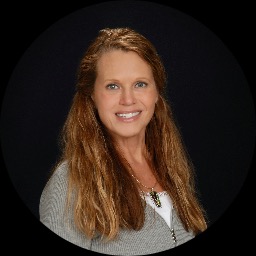
Carole Boes
Experienced therapist for life transitions
- Credentials
- LCSW
- Experience
- 35 years
- Licensed in
- Pennsylvania
- Languages
- English
- Format
- Online sessions
About Carole
Carole Boes is a licensed clinical social worker who aims to help people facing tough life moments. She draws on 35 years of experience to offer steady support for stress, anxiety, grief, relationship troubles, mood shifts, and addiction concerns. Her tone is calm and direct, and she creates space for honest conversations about what is hard right now.
Carole focuses much of her work on trauma, including post-traumatic stress and survivors of sexual assault.
Background and approach
She also addresses workplace stress, caregiving strain, and challenges that come with separation or divorce. Her sessions often include practical skills to manage strong emotions and day-to-day stressors. She uses a mix of well-established methods such as client-centered therapy, cognitive behavioral therapy, and trauma-focused approaches.
That lets her tailor sessions to what a person needs most, whether that means changing unhelpful patterns or working through painful memories. Sessions can move at a steady pace or focus on quick, concrete steps depending on the situation. Carole is licensed in Pennsylvania as an LCSW, license number PA LCSW CW002686L.
She communicates in English and supports a wide range of concerns including LGBT issues, parenting and family matters, postpartum depression, bipolar and mood disorders, and workplace difficulties. Her style balances practical coaching with emotional support. People looking for someone experienced in navigating transitions and trauma-related issues may find her approach direct and grounding.
To begin, the site matching process helps pair needs to a therapist and schedule sessions according to availability.
Approaches and online flexibility for therapy
Client-centered therapy emphasizes listening and building on what already works for a person. It is about meeting someone where they are and creating clear goals together, which helps when someone feels stuck or overwhelmed.Cognitive behavioral therapy, or CBT, looks at unhelpful thoughts and behaviors and teaches concrete skills to change them. This approach suits issues like anxiety, depression, stress, and mood shifts because it focuses on practical steps and manageable exercises.
Trauma-focused therapy concentrates on working through traumatic memories and their effects on daily life. It can help reduce symptoms of post-traumatic stress and improve coping after sexual assault or other traumatic events.
Finding the right approach is part of the work. The therapist will discuss goals, preferences, and what feels most useful, and then adjust methods together. That collaborative process helps shape a plan that fits current needs and comfort levels.
Online therapy offers flexibility through video calls, phone sessions, live chat, or text-based messaging. These options make it easier to fit sessions into busy schedules, continue work from home, and check in between live meetings when brief support or coaching is helpful. Licensed professionals use these formats to deliver the same therapeutic techniques as in person, focusing on accessibility and consistent care.
Client-Centered Therapy
The direction comes from you rather than from a set programme. The therapist offers a warm, non-judgemental space to think out loud and work at your own pace. Online, this rests on the relationship rather than on being in the same room.
Cognitive Behavioral Therapy (CBT)
CBT looks at the link between what you think, how you feel, and what you do. You work on noticing unhelpful patterns and practising steadier responses. It suits online sessions well, because much of the work happens between appointments and can be talked through from anywhere.
Motivational Interviewing
A way of working through mixed feelings about change without being pushed. The therapist helps you weigh things up and find your own reasons, which often makes a difficult decision feel less stuck.
Frequently asked questions
What kinds of concerns does this therapist address?
How would you describe the therapeutic style?
What is her experience or background?
What credentials and location are listed?
Which languages are available for sessions?
What session formats are offered?
How does cost work for sessions?
What are the steps to begin therapy?
Specialties and expertise
Top specialties
- LGBT
- Relationship issues
- Trauma and abuse
Also works with
- Addictions
- Anger management
- Bipolar disorder
- Blended family issues
- Caregiver issues and stress
- Coaching
- Codependency
- Coping with life changes
- Coping with natural or human-caused disaster
- Depression
- Divorce and separation
- Family conflicts
- First responder issues
- Grief
- Mood disorders
- Parenting issues
- Post-traumatic stress
- Postpartum depression
- Seasonal Affective Disorder (SAD)
- Self esteem
- Sexual assault and abuse
- Stress, Anxiety
- Workplace issues
Therapeutic approaches
- Experience
- 35 years
- Licensed
- Pennsylvania
- Languages
- English
Next step
Talk to Carole
- Takes a few minutes
- Nothing to set up just to look
- Stop at any point