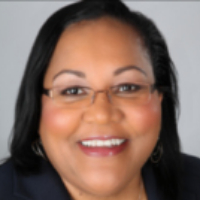
Carol Watler
Compassionate, practical therapy for family concerns
- Credentials
- LMHC
- Experience
- 17 years
- Licensed in
- New York
- Languages
- English
- Format
- Online sessions
About Carol
Carol Watler is a licensed mental health counselor who focuses on practical support for everyday family and parenting concerns. She speaks plainly about stress, anxiety, relationship strain, parenting challenges, and grief so parents can decide what feels right. Her approach aims to make change clear and manageable rather than vague or drawn out.
She blends talk therapy skills with tools that help people practice new ways of coping. Sessions focus on problem solving, improving communication, and reducing overwhelming feelings.
Background and approach
When trauma or painful memories are present she can use trauma-focused methods to address those experiences. Carol trained in counseling and ministry and has worked in clinical and hospital settings. She has about 17 years of experience that includes providing emotional and spiritual support in healthcare settings and offering counseling in community programs.
That mix shows in her straightforward, supportive style. In sessions she uses client-centered techniques to follow each person’s pace, cognitive behavioral tools to change unhelpful patterns, and EMDR when trauma work is needed. Treatment plans look at daily life and specific goals so progress can be seen.
Her practice aims to help people move from feeling stuck to feeling capable. She offers clear steps, homework when helpful, and an emphasis on realistic change. The tone is calm, direct, and hopeful.
Approaches that translate to online care
Client-Centered Therapy focuses on listening closely and following the person’s pace. In practice that means sessions start where a parent or caregiver is most comfortable and build from there to address family stress or communication issues.Cognitive Behavioral Therapy, or CBT, looks at the thoughts and behaviors that keep problems going. Online CBT often involves short exercises, practical homework, and structured conversations to reduce anxiety, manage mood, or change unhelpful routines.
Eye Movement Desensitization and Reprocessing, EMDR, is used when painful memories or trauma-related symptoms interfere with daily life. When appropriate, aspects of trauma-focused EMDR work can be adapted for video sessions to help process distressing memories with professional guidance.
Choosing the right approach is a collaborative process. The therapist will talk with each person about goals and preferences and suggest which methods fit best. Plans change as progress is made, and decisions are made together rather than imposed.
Online therapy offers practical flexibility through video calls, phone sessions, live chat, or ongoing text-based messaging. That makes it easier to fit sessions around busy family schedules, follow up between meetings, and use tools in the actual home environment. Licensed professionals can use these formats to deliver the same structured techniques and coping skills people would get in person, while making participation easier for parents and caregivers.
Client-Centered Therapy
The direction comes from you rather than from a set programme. The therapist offers a warm, non-judgemental space to think out loud and work at your own pace. Online, this rests on the relationship rather than on being in the same room.
Cognitive Behavioral Therapy (CBT)
CBT looks at the link between what you think, how you feel, and what you do. You work on noticing unhelpful patterns and practising steadier responses. It suits online sessions well, because much of the work happens between appointments and can be talked through from anywhere.
EMDR
A structured protocol used with distressing memories, pairing recall with guided attention tasks. Some therapists adapt it for video sessions; whether that fits is worth asking about directly.
Frequently asked questions
What concerns does she address related to family life?
What is her general therapy style?
What kind of clinical background does she have?
What credentials and location are listed?
Which languages and international options are available?
What session formats are offered online?
How does pricing work for sessions?
How do I begin working with her?
Specialties and expertise
Top specialties
- Stress, Anxiety
- Relationship issues
- Parenting issues
Also works with
- Addictions
- ADHD
- Anger management
- Bipolar disorder
- Career difficulties
- Caregiver issues and stress
- Coaching
- Communication problems
- Compassion fatigue
- Coping with life changes
- Depression
- Family conflicts
- Grief
- Life purpose
- Mood disorders
- Post-traumatic stress
- Self esteem
- Self-love
- Social anxiety and phobia
- Trauma and abuse
- Workplace issues
Therapeutic approaches
- Experience
- 17 years
- Licensed
- New York
- Languages
- English
Next step
Talk to Carol
- Takes a few minutes
- Nothing to set up just to look
- Stop at any point