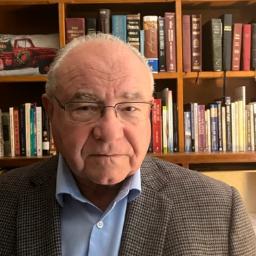
Rev. Bruce Carpenter
Practical, trauma-informed counseling for families
- Credentials
- LPC
- Experience
- 11 years
- Licensed in
- Texas
- Languages
- English
- Format
- Online sessions
About Bruce
Rev. Bruce Carpenter uses a client-centered approach to help people navigate hard times and build steadier emotional lives. He listens first and works with each person on practical steps they can use at home.
He brings 11 years of counseling experience to sessions and combines that with straightforward tools from cognitive and solution-focused methods. He grew up in a three-generational Christian family and has experience in marriage, parenting, music, carpentry, and emergency medical work.
Background and approach
He earned a Master of Divinity from Brite Divinity School at Texas Christian University and a Master of Education in Counseling from the University of North Texas, Dallas. He is a Licensed Professional Counselor, LPC, licensed in Texas - TX LPC 73166. Much of his work has included trauma-focused practice.
His training covers Trauma-Focused Cognitive Behavior Therapy, Cognitive Processing Therapy, and Trauma-Focused Therapy techniques. He has also completed Gottman Method training at Levels I and II to support relationship concerns and interpersonal skills.
He has worked part-time at a Child Advocacy Center with children, teens, and non-offending adult caregivers, and has volunteered in settings that include a Veterans Affairs PTSD unit and local ambulance chaplaincy. Those experiences inform his focus on grief, parenting, trauma, stress, and caregiver issues.
In sessions he aims to help people manage symptoms, reduce unhelpful patterns, and find more effective daily routines. He combines listening with practical strategies so families can make steady changes over time. Sessions are offered in English and conducted from Texas, and he accepts international clients.
The therapist uses a mix of short-term, goal-focused work and longer-term support depending on what a person needs.
How evidence-based approaches work online
Client-Centered Therapy focuses on listening and building trust so clients can set their own goals; it helps when someone needs a steady, supportive presence while working through parenting or family stress. Cognitive Behavioral Therapy, or CBT, looks at how thoughts and actions influence mood and behavior and teaches practical skills to reduce anxiety, manage anger, or change unhelpful patterns. The Gottman Method offers structured communication and problem-solving tools aimed at improving how people relate to one another and handling relationship conflict.Choosing a method is a collaborative process. The therapist will talk with the client about goals, preferences, and what feels most useful, then tailor techniques from these approaches so sessions fit the person’s situation and pace.
Online work uses video calls, phone sessions, live chat, or text-based messaging to make care more flexible. These options let people meet from home, fit sessions around busy schedules, and keep regular contact between meetings when needed. For parents and caregivers, online formats can reduce travel and make it easier to maintain consistent support while juggling family responsibilities.
Client-Centered Therapy
The direction comes from you rather than from a set programme. The therapist offers a warm, non-judgemental space to think out loud and work at your own pace. Online, this rests on the relationship rather than on being in the same room.
Cognitive Behavioral Therapy (CBT)
CBT looks at the link between what you think, how you feel, and what you do. You work on noticing unhelpful patterns and practising steadier responses. It suits online sessions well, because much of the work happens between appointments and can be talked through from anywhere.
Gottman Method
A research-based framework for couples, focused on how partners argue, repair, and stay connected. Practical and structured, with exercises to try between sessions.
Frequently asked questions
What concerns does he address?
What is his therapeutic style?
What background informs his work?
What are his credentials and where is he located?
Which languages are supported?
How are sessions conducted?
How does pricing work?
What should I do to begin?
Specialties and expertise
Top specialties
- Relationship issues
- Trauma and abuse
- Grief
Also works with
- Anger management
- Career difficulties
- Caregiver issues and stress
- Codependency
- Compassion fatigue
- Coping with life changes
- Coping with natural or human-caused disaster
- Depression
- Divorce and separation
- Emptiness
- Family conflicts
- Family problems
- Fatherhood issues
- First responder issues
- Forgiveness
- Guilt and shame
- Infidelity
- Isolation / loneliness
- Jealousy
- Life purpose
- Men's issues
- Midlife crisis
- Parenting issues
- Post-traumatic stress
- Self esteem
- Stress, Anxiety
- Workplace issues
- Young adult issues
Therapeutic approaches
- Experience
- 11 years
- Licensed
- Texas
- Languages
- English
Next step
Talk to Bruce
- Takes a few minutes
- Nothing to set up just to look
- Stop at any point