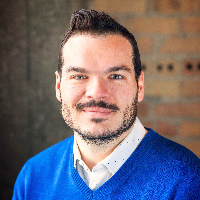
Andrew Mercer
Straightforward, practical counseling for real life
- Credentials
- LPC, LCPC
- Experience
- 10 years
- Licensed in
- Illinois, Texas
- Languages
- English
- Format
- Online sessions
About Andrew
Andrew Mercer is a licensed therapist who brings a decade of professional experience to his practice. He holds the LPC credential (Licensed Professional Counselor) and the LCPC credential (Licensed Clinical Professional Counselor) and sees clients in Texas. He describes a direct, honest style and aims to create a calm space where people can talk through what matters to them.
He spent several years working with adults in independent practice and also has experience as a life coach with college-aged adults.
Background and approach
Training includes pastoral counseling and study at Loyola University in Chicago. That background informs his willingness to address spiritual or faith-related concerns when they arise. Andrew combines relational ideas from psychodynamic, humanistic, and Adlerian approaches.
He applies those ideas in straightforward, practical ways so sessions stay focused and useful. He often emphasizes helping people find clear next steps rather than long, abstract conversations. Common concerns he lists include stress, anxiety, grief, depression, addictions, LGBT issues, intimacy matters, parenting, anger, and bipolar disorder.
He also notes experience with relationship and career concerns. He uses plain language in sessions and aims to help people move toward manageable change. People who prefer a candid but patient counselor may find his style effective.
He asks questions, listens, and works collaboratively to identify goals and strategies. The work is aimed at small, practical steps that fit into everyday life.
Evidence-based approaches and online care
Andrew draws on relational therapies influenced by psychodynamic, humanistic, and Adlerian ideas. Psychodynamic-informed work looks at patterns and past experiences to understand how they affect current feelings and relationships. This can help when worries or grief keep repeating in daily life.Humanistic techniques focus on the person in front of the therapist, helping them name what matters and build on their strengths. Adlerian ideas look at goals and social connections and support practical steps to change how someone approaches problems. Together these approaches aim for clear, manageable shifts rather than long academic discussion.
Finding the right approach is part of the work. Andrew will talk with each person about their needs, goals, and preferences and then recommend which methods to try. He treats the process as collaborative and adjusts plans if something isn’t working.
Online therapy options include video calls, phone sessions, live chat, and text-based messaging. These formats make it easier to fit sessions into busy schedules and to stay consistent when in-person visits are hard to arrange. The variety also lets people choose how they feel most comfortable communicating during different stages of therapy.
Frequently asked questions
What kinds of problems does he help with?
How would you describe his therapeutic style?
What is his background and experience?
What credentials and location are listed?
Which languages are supported and can he work internationally?
What session formats does he offer?
How is cost handled for sessions?
How do I begin working with him?
Specialties and expertise
Top specialties
Also works with
- Addictions
- Anger management
- Bipolar disorder
- Career difficulties
- Depression
- Family conflicts
- Intimacy-related issues
- Parenting issues
- Relationship issues
- Self esteem
- Trauma and abuse
- Experience
- 10 years
- Licensed
- Illinois, Texas
- Languages
- English
Next step
Talk to Andrew
- Takes a few minutes
- Nothing to set up just to look
- Stop at any point