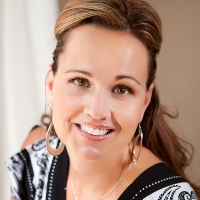
Sharon Wilkening
Calm, practical help for life changes
- Credentials
- LMHC
- Experience
- 16 years
- Licensed in
- New York
- Languages
- English
- Format
- Online sessions
About Sharon
Sharon Wilkening is a licensed mental health counselor (LMHC) based in New York. She has spent more than 16 years helping people manage anxiety, depression, addiction, trauma, and relationship concerns. Sharon speaks plain, direct language and offers steady support for people facing hard changes.
Her path began with an undergraduate degree from Syracuse University and an internship at Georgetown Law. She then worked in federal law enforcement while earning a Master of Arts in Forensic Psychology from Marymount University.
Background and approach
After moving to New York she ran a youth diversion program at a community mental health center, working with teens involved in the justice system who had mental health diagnoses. Since 2003 she has practiced full time as a therapist and maintained a independent practice.
Her caseload has included people coping with depression, anxiety, PTSD, trauma, domestic violence, substance use disorder, and premarital or marital issues. She emphasizes a nonjudgmental stance and meets clients where they are. Sharon uses a mix of practical methods such as cognitive behavioral therapy, dialectical behavior therapy, solution-focused therapy, strength-based work, and motivational interviewing.
In sessions she helps people identify small, achievable steps and build skills that fit daily life. Her work includes family and parenting concerns among other topics. Sessions are offered in English and she practices as a New York LMHC, license number NY LMHC 000799.
Approaches that translate well to online work
CBT, or cognitive behavioral therapy, focuses on identifying unhelpful thoughts and changing behaviors. It teaches practical tools for anxiety, depression, and many everyday problems in short, structured steps.Dialectical behavior therapy, DBT, emphasizes coping skills for strong emotions and stress. It offers techniques for managing intense feelings and improving interpersonal effectiveness, which can be useful after trauma or during relationship strain.
Motivational interviewing helps people find personal reasons to change when they feel stuck, especially with substance use or life transitions. It uses guided conversation to strengthen motivation and set achievable goals.
Choosing the right approach is a collaborative process. The therapist will talk with each person about goals, preferences, and what has worked before. Together they adapt methods and try what fits best, adjusting as needed over time.
Online therapy with this practice includes video calls, phone sessions, live chat, and text messaging. These options make it easier to fit sessions into busy days, remove travel time, and maintain continuity during life transitions. Many people find the flexibility helps them stick with the work and apply new skills in real life.
Frequently asked questions
What kinds of problems can Sharon help with?
How would you describe her therapeutic style?
What is her background in mental health?
What are her credentials and where is she based?
Which languages are supported for sessions?
What formats are available for meeting online?
How are sessions billed or paid for?
How do I begin working with her?
Specialties and expertise
Top specialties
- Stress, Anxiety
- Addictions
- Relationship issues
Also works with
- Career difficulties
- Coaching
- Coping with life changes
- Depression
- Eating disorders
- Family conflicts
- Grief
- Intimacy-related issues
- Self esteem
- Trauma and abuse
- Experience
- 16 years
- Licensed
- New York
- Languages
- English
Next step
Talk to Sharon
- Takes a few minutes to look through
- Nothing to set up just to read
- Stop at any point