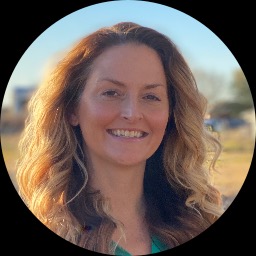
Dr. Shannon Moseley
Therapist offering compassionate, practical support
- Credentials
- LPC, LPCC
- Experience
- 10 years
- Licensed in
- Texas, New Mexico, Arizona
- Languages
- English
- Format
- Online sessions
About Shannon
Dr. Shannon Moseley is a licensed counselor with ten years of clinical experience. She practices in Texas and brings a warm, interactive style to sessions.
Her work emphasizes respect, cultural sensitivity, and treating people with compassion. She focuses on helping with stress and anxiety, depression, trauma and abuse, relationship and family concerns, grief, and issues like sleep problems, anger, and self-esteem. She also addresses ADHD, bipolar challenges, and compassion fatigue.
Background and approach
Additional attention is given to first responder issues, infidelity, jealousy, veteran and armed forces issues, self-harm, and sexual assault and abuse. Her approach centers on collaboration. She tailors conversation and treatment to each person's needs.
She uses tools from different therapies and asks for feedback to shape the plan together. She draws on practical techniques alongside mindfulness and optional yoga practices for clients who wish to include body-based supports. That tool-based mindset means sessions often mix skill teaching, focused conversation, and gentle reflection.
Shannon holds LPC and LPCC credentials and has worked in hospital inpatient and emergency settings as well as with military members, law enforcement, and university students. She encourages self-efficacy and authenticity while helping people move toward a life aligned with their values and goals.
How therapeutic approaches translate to online care
Client-Centered Therapy focuses on listening without judgment and helping people discover their priorities and strengths. This approach is useful for building trust, improving self-esteem, and talking through life changes. Cognitive Behavioral Therapy, or CBT, teaches practical skills to notice and change unhelpful thoughts and behaviors, which can help with anxiety, depression, sleep problems, and anger. Eye Movement Desensitization and Reprocessing, EMDR, is used for trauma processing and can help reduce the intensity of distressing memories by pairing focused attention with guided processing.Finding the right approach is a collaborative process. The therapist will talk with each person about goals, preferences, and what feels most helpful. Together they choose and adapt techniques from these and other methods so the plan matches real-life needs.
Online therapy offers flexibility through video calls, phone sessions, live chat, and text-based messaging. These options make it easier to fit sessions around family schedules, work, or other commitments. Therapists can teach skills, guide trauma-focused work, and support ongoing practice between sessions using these formats, which can help people keep momentum as they work toward their goals.
Client-Centered Therapy
The direction comes from you rather than from a set programme. The therapist offers a warm, non-judgemental space to think out loud and work at your own pace. Online, this rests on the relationship rather than on being in the same room.
Cognitive Behavioral Therapy (CBT)
CBT looks at the link between what you think, how you feel, and what you do. You work on noticing unhelpful patterns and practising steadier responses. It suits online sessions well, because much of the work happens between appointments and can be talked through from anywhere.
Existential Therapy
Takes the larger questions seriously: meaning, choice, mortality, responsibility. Suited to periods when the difficulty is less a symptom than a sense that something has to change.
Frequently asked questions
What concerns can she help with?
How would you describe her therapy style?
What is her clinical background?
What credentials and location information should I know?
Which languages are supported for sessions?
Are international clients accepted?
What session formats are available?
How do fees and starting therapy work?
Specialties and expertise
Top specialties
- Stress, Anxiety
- Relationship issues
- Family conflicts
Also works with
Therapeutic approaches
- Experience
- 10 years
- Licensed
- Texas, New Mexico, Arizona, Washington
- Languages
- English
Next step
Talk to Shannon
- Takes a few minutes
- Nothing to set up just to look
- Stop at any point